Blog / Indian Trail Ford Dealer

Best Cargo Vans for Small Businesses: Maximize Your Potential

Fleet Vehicles For Business Success

When your business relies on transporting goods, equipment, or fulfilling on-site needs, selecting the right vehicle becomes a crucial decision that can affect your day-to-day operations. It’s not just about finding something that gets the job done, it has to be reliable, spacious, fuel-efficient, and tailored to meet the specific needs of your business. That’s where Ford excels, offering some of the best cargo vans on the market today. At Crossroads Ford of Indian Trail, we’ve put together a detailed guide to help you choose the best cargo van to boost your small business. Whether you’re looking for size, dependability, or value, we’ll walk you through the top options available based on key features like cargo capacity, commercial specs, and overall performance. Once you’ve narrowed down your choices, come visit us at our dealership in Indian Trail, NC, and take a test drive to see which is the best cargo van for your small business needs!

Why Your Business Needs a Cargo Van

Cargo vans come in different sizes and configurations to cater to the needs of various industries. When choosing the best cargo van for your small business, it’s important to assess factors like dependability, cargo capacity, ease of access, and fuel efficiency. Cargo vans generally fall into two categories: small and full-sized. Here’s what each type offers.

  • Small Cargo Vans: These are ideal for businesses that need to make frequent stops in urban areas or handle lighter loads. They’re easy to drive, fuel-efficient, and perfect for navigating crowded city streets.
  • Full-Size Cargo Vans: These vans are better suited for businesses with heavier transport requirements or larger loads. They provide generous cargo space, making them ideal for companies that need to move bulkier equipment or materials.

Understanding which type suits your needs will help you make a more informed decision and optimize your budget when selecting the best cargo vans for small businesses.

Best Cargo Vans for Deliveries: Meet Your Deadlines

For businesses focused on deliveries and daily transportation, you’ll need a cargo van that’s capable of maneuvering through urban areas, carrying substantial loads, and maintaining good fuel efficiency. Here are the best cargo vans for small business delivery needs.

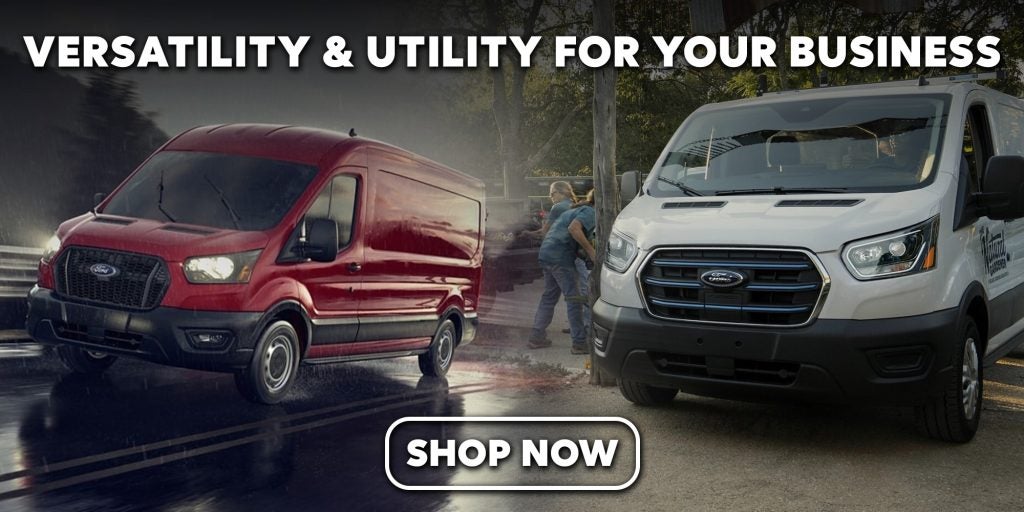
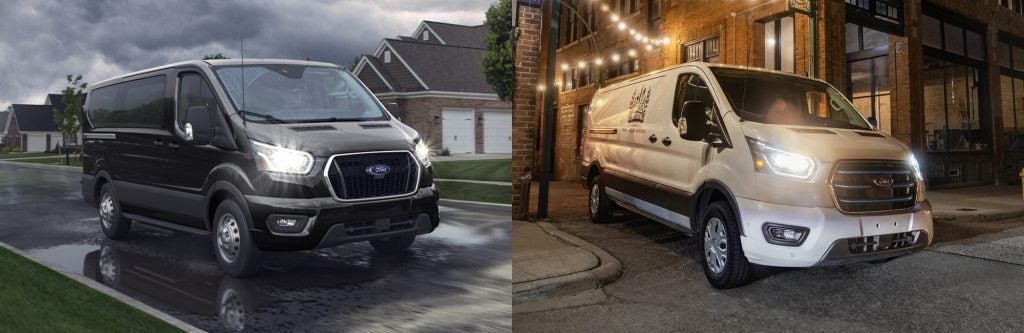
Ford Transit: For those who need to carry heavier loads, the Ford Transit is a top contender. With up to 536.4 cu.ft. of cargo space, three different roof height options, and a payload capacity of up to 5,110 lbs., it’s built for high-demand delivery services

Ford E-Transit: If reducing your carbon footprint is a priority, the all-electric Ford E-Transit is a great choice. With the same 536.4 cu.ft. of cargo space, it boasts an impressive range of up to 159 miles on a single charge, allowing for worry-free deliveries without the need for frequent recharging.


No matter what you’re delivering, the Ford Transit and Ford E-Transit are proven contenders that ensure your drive and deliveries go smoothly.

Best Work Vans for Contractors: Tough & Reliable

For businesses that require durable, heavy-duty vehicles, Ford’s cargo vans are some of the best options for contractors. The Ford Transit and Ford E-Transit provide the power and reliability needed to transport tools and materials to and from job sites.

Ford Transit: With engine options like the 3.5L V6 and the more powerful 3.5L EcoBoost® V6, delivering 310 horsepower and 400 lb.-ft. of torque, the Ford Transit is ready to take the prize as the best work van for construction.

Ford E-Transit: For eco-conscious contractors, the Ford E-Transit combines sustainability with performance, offering 266 horsepower and 317 lb.-ft. of torque from its 89kWh High-Voltage Battery. It can carry up to 3,249 lbs. of payload, so you won’t have to compromise on power to go green.

Having either the Ford Transit or Ford E-Transit won’t disappoint when it comes to the demands that your job requires. These are the best cargo vans for small businesses on the rugged side of the workforce, and they’re here to streamline your experience.

Enhance Your Business Operations

Choosing the best cargo van for your small business can make a world of difference in how efficiently you run your daily operations. Whether you’re after the impressive strength and reliability of the Ford Transit, perfect for tackling heavy loads and tough jobs, or the sustainable, eco-friendly benefits of the all-electric Ford E-Transit, both options are built to meet the specific demands of your business. At Crossroads Ford of Indian Trail, we understand that every business is unique, which is why we offer a range of cargo vans to help you work smarter, not harder. Stop by our Ford dealership in Indian Trail, NC, where our team will help you find the best cargo van to elevate your small business performance!

SHOP NOW

Posted in:

Related Posts

Buying From A Dealership vs. Private Seller: The Differences

Confidence In Your Car Purchase Buying your next vehicle should feel exciting, not uncertain. At Crossroads Ford of Indian Trail, we believe the process should be straightforward, transparent, and supported by professionals who help you make a confident decision. When comparing buying from a dealership vs. a private seller, the conversation goes far beyond the sticker price. It’s about the value of expert guidance, verified vehicle disclosure, financing options, and help with paperwork that can otherwise become overwhelming. One of the biggest advantages of working with a dealership is time savings. Instead of coordinating inspections, researching vehicle history, arranging financing, and handling registration on your own, our dealership offers a one-stop shop to simplify the process. Our team can assist with loan pre-approval, provide clear vehicle disclosure and history information, and walk you through every step from test drive to title transfer. While private sellers may advertise a lower asking price, those purchases often require buyers to manage inspections, paperwork, and financing independently—with little recourse if issues arise later. Buying from our dealership means partnering with a business built on reputation, transparency, and ongoing customer support. From carefully selected inventory to assistance with financing and documentation, our goal is to make purchasing your next vehicle simpler, safer, and far more convenient, so you can focus on enjoying the drive rather than navigating the details. Weigh the pros and cons of buying from a dealer vs. a private seller, and head to Crossroads Ford of Indian Trail to browse our inventory today. Who This Guide Is For This guide is for buyers who want a simpler purchase process and more peace of mind. It is also for budget-focused shoppers who are willing to handle a vehicle inspection, title transfer, negotiation, and DMV steps on their own. Dealership vs. Private Seller at a Glance Buying from our dealership offers a clearer, more supported process with a larger selection of vehicles in one place. While private sellers may advertise lower sticker prices, the lowest price does not always mean the lowest total ownership cost once repairs, taxes, registration, and financing are considered. At our dealership, you benefit from available financing options, professionally prepared vehicles, access to vehicle history reports, and assistance with paperwork, including title transfers and registrations. Many vehicles may also include limited warranty coverage or Ford Blue Advantage benefits for added peace of mind. Private sales typically involve lower upfront prices but are often sold as-is, require buyers to handle paperwork themselves, and rarely offer financing, trade-ins, or post-sale support. For many shoppers, the convenience, transparency, and protection of buying from our dealership make it a more reliable choice. Price, Fees, and Total Cost Private sellers often start lower because they do not carry dealership overhead, staffing, compliance costs, or a reconditioning center. That lower purchase price can be attractive, especially if you are paying cash and understand local market value. Dealership pricing can include dealer fees, a documentation fee, optional products, and financing markup tied to the interest rate. Still, some dealer vehicles have undergone reconditioning, basic service, or inspections, which may reduce the risk of mechanical problems after the sale. Why Dealer Prices Are Usually Higher A car dealer has operating costs that a private owner does not. Those costs can include staffing, lot expenses, regulatory compliance, advertising, title processing, and warranty-related obligations. Ford Blue Advantage vehicles usually cost more because they include stricter inspections and some level of warranty coverage. That premium can be worth it for buyers who want stronger reliability and fewer unknowns. Why Private Sellers Can Be Cheaper A private seller is usually focused on a quick sale rather than margin targets. That often creates room for negotiation, especially if the seller has already bought another vehicle. A low price can also be a warning sign. Hidden mechanical issues, accident history, deferred maintenance, or title problems can erase your savings fast. Risk, Inspections, and Vehicle Condition At our dealership, we inspect and recondition vehicles before offering them for sale, but standards vary by store and by vehicle. You should still ask what was checked, what was repaired, and whether service records or a vehicle history report are available. Private sales often place more buyer risk on you because many are sold as-is. In either case, a pre-purchase inspection by an independent mechanic is one of the smartest steps you can take before money changes hands. What Buyers Usually Get From a Dealership When you purchase a vehicle from our dealership, you gain access to important information that helps you buy with confidence. Our team works to provide available service records, maintenance history, and details about any reconditioning or preparation completed before the vehicle reaches our lot. As a licensed dealership with an established reputation, we are committed to transparency and accountability throughout the buying process. Our business identity and professional standards help ensure that disclosures are clear and accurate, giving you greater peace of mind as you make your decision. Many vehicles at our dealership may also qualify for the Ford Blue Advantage program. These vehicles meet specific inspection standards and can include limited warranty coverage, offering additional confidence long after you leave the lot. What Buyers Must Verify in a Private Sale With an individual seller, you need to confirm that the VIN on the car matches the one on the title and other documents. You should also verify clean title status, ask about any lien release, review maintenance history, and check local emissions or inspection requirements. Never skip a test drive or a pre-purchase inspection. An independent mechanic can spot hidden mechanical issues that a casual buyer may miss. Financing, Trade-Ins, and Payment Flexibility Our dealership offers financing, lender access, and trade-in options that private sellers do not. For many buyers, the ability to spread the cost into a monthly payment is the main reason a dealer price makes sense. Private sellers often prefer a cashier's check or cash. That can work well if you already have funds available, but it limits flexibility for shoppers who need financing or want to roll a current vehicle into the deal. When Dealer Financing Helps Our dealer financing helps buyers compare loan options in one place and match terms to their budget. It can also simplify the process by combining purchase, financing, trade-in, and registration into a single transaction. This convenience matters if you are balancing down payment size, financing costs, and interest rate. It can also save time if you need transportation quickly. Speak with our finance experts today! When Cash Buying Works Better Paying cash can give buyers flexibility and a clear spending limit, but that does not mean a private sale is the best route. Many cash buyers actually prefer working with a dealership because the process is more transparent, secure, and professionally managed. At our dealership, you can still negotiate while benefiting from a clearly documented vehicle history, verified titles, and vehicles that have already been inspected. This helps eliminate much of the uncertainty that often comes with private party purchases. In addition, our team handles the paperwork, registration guidance, and transaction details, which saves time and reduces risk. If you plan to pay cash, it is still important to set a firm budget that includes sales tax, registration, insurance, and any potential maintenance. The advantage of buying from our dealership is that you can review those costs upfront with a knowledgeable team while choosing from a range of quality vehicles in one convenient location. For cash buyers who want a straightforward purchase with fewer surprises, our dealership offers the confidence and convenience that private sales often lack. Paperwork, Registration, and Legal Protection Crossroads Ford of Indian Trail handles the title transfer, temporary tags, registration paperwork, and required sales documents. That reduces errors and makes the transaction easier for buyers who are unfamiliar with DMV rules. Private sales require the buyer to verify every document and complete state-specific steps correctly. Mistakes with paperwork can delay registration, create tax issues, or leave you with a car you cannot legally drive. Dealer Process and Accountability Our licensed dealer operates in accordance with state regulations and disclosure requirements. This creates better consumer protection, stronger accountability, and a clearer path for legal recourse if something goes wrong. This is one reason many buyers prefer a dealership. The process is more structured, and there is usually someone available to answer follow-up questions. Warranties, Returns, and Peace of Mind Our dealership offers additional protection, including warranties, Ford Blue Advantage coverage, and optional service contracts. Private sellers rarely provide any post-sale protection, and most deals are final once payment is made. That does not mean every dealer car is protected. Some are sold as-is, too, so you need to read every disclosure and understand exactly what is and is not covered. What Warranty Coverage Really Means Manufacturer warranty coverage usually follows the vehicle if time or mileage remains. Ford Blue Advantage coverage is different from a dealer warranty, and an extended service contract is different from both. Review the term length, covered components, deductibles, and exclusions before signing. A short limited warranty can still be useful, but only if you know its limits. When a Dealership Is the Better Choice Buying from a dealership is often the smarter option for drivers who want a smoother, more supported experience from start to finish. Our dealership makes the process easier by keeping everything in one place, including financing options, a wide range of inventory to compare, and the ability to apply your trade-in toward your purchase. It’s also an ideal choice for shoppers who value peace of mind. With built-in buyer protections, professional guidance throughout the process, and support even after you drive off the lot, purchasing through our dealership provides confidence and convenience that private sales simply can’t match. For buyers who want a streamlined process, trusted service, and a team ready to help every step of the way, choosing our dealership is the clear advantage. Best-Fit Buyer Profiles A dealership often makes sense for: First-time used-car buyers Families focused on reliability Buyers who need a monthly payment Shoppers interested in Ford Blue Advantage vehicles People who want help with paperwork, title transfer, and registration When a Private Seller Is the Better Choice A private seller can be the better choice if your top priority is price and you are comfortable doing your own due diligence. This route works best when the seller has solid service records, the vehicle passes inspection, and the title is clean. It can also be a good fit for cash buyers who know the market value and can act quickly. The savings can be real, but only if you avoid hidden damage, title issues, and poorly documented maintenance. That said, many buyers ultimately find that purchasing from our dealership is the better option when they want more certainty and support throughout the process. With professionally inspected vehicles, transparent paperwork, available financing, and the ability to trade in your current vehicle, buying from our dealership removes much of the risk and guesswork that can come with private sales—while still helping you find a great value! Best-Fit Buyer Profiles A private sale often fits: Mechanically savvy shoppers Bargain hunters Buyers are comfortable with as-is sale terms People who can verify title status and paperwork themselves Buyers who can absorb some post-purchase risk If you go this route, be disciplined. Meet in a safe place, verify the VIN, review the vehicle history, and never skip the inspection. Final Verdict: Which Option Makes More Sense For most buyers, a dealership wins on convenience, access to financing, legal structure, and peace of mind. A private seller can still be the smarter move on upfront price, but only when your inspection, title, and vehicle history checks are solid. The right choice comes down to risk tolerance, total ownership cost, and the level of support you want before and after the sale. If you want a smoother process with greater accountability, buying from our dealership is the better option, while a private seller makes more sense for experienced buyers who can manage the extra risk. Decision Framework If you’re looking for a smoother experience with fewer risks, a dealership is the better path. Buying through our dealership means less hassle, stronger buyer protections, available financing options, and a team that handles the paperwork and details for you. A private seller may make sense if the lower upfront price is your main priority—but only when the vehicle has a clean title, verified service history, and passes a thorough independent inspection. For most shoppers, the added confidence, support, and convenience of working with a trusted dealership make all the difference. Explore our inventory at Crossroads Ford of Indian Trail or connect with our team today to find the right vehicle with the peace of mind you deserve. FAQs Is it better to buy from a dealership or a private seller? It depends on your priorities. Dealerships are usually better for financing, paperwork, selection, and buyer protections, while private sellers may offer a lower upfront price. What is the 20/3/8 rule for buying a car? The 20/3/8 rule suggests putting 20% down, financing for no more than 3 years, and keeping total car costs under 8% of gross monthly income. It is a budgeting guide, not a legal rule. What is the disadvantage of buying from a private seller? The biggest drawback is risk. A private sale is often an as-is sale with no warranty, limited legal recourse, and more responsibility for inspection and paperwork. What is a red flag in a dealership? Watch for unclear dealer fees, pressure to skip a vehicle inspection, vague vehicle history, rushed paperwork, or financing terms that are not fully explained. A reputable used car dealer should answer questions clearly and in writing. At Crossroads Ford of Indian Trail, our main priority is transparency, so feel free to reach out to our team if you have any questions regarding your next vehicle purchase! SHOP NOW

How Long Should A Car Loan Be? 60 vs. 72 Months & More

The Car Loan Length To Fit Your Needs Choosing the right car loan term is a crucial part of the car-buying process, as it directly impacts your monthly payments and the total cost of the loan. Understanding how long a car loan should be depends on several factors, including your financial situation, the car's value, and your long-term goals. Whether you’re considering a short-term loan or a longer-term option, finding the right balance can help you manage your monthly budget while minimizing interest costs. It’s essential to evaluate your loan options carefully for the perfect ride. From shorter loan terms with higher monthly payments to longer periods with lower payments, the decision can shape your overall financial well-being. By exploring the pros and cons of each term length from Crossroads Ford of Indian Trail, you'll be better equipped to select a loan that aligns with your needs and ensures a smooth car ownership experience. Get in touch with our finance department today! Understanding Car Loan Term Lengths What Is the Average Car Loan Length? On average, determining how long a car loan should be typically ranges between 60 to 72 months. This time frame has become increasingly common as car prices rise, making longer loan terms more appealing to buyers looking for manageable monthly car payments. However, understanding the implications of the 60- vs. 72-month car loan is essential when choosing a loan term that fits your needs. For those looking for a short-term loan, terms usually range from 36 to 48 months. These often come with higher monthly payments but lower interest costs over the life of the loan. On the other hand, longer-term loans, such as 72-month or even 84-month loans, allow for lower monthly payments but significantly increase the total amount paid due to higher interest rates over a longer period of time. Selecting the right term should factor in both your financial situation and how much car you can realistically afford. Factors That Influence Loan Term Decisions Several factors play a crucial role in determining the ideal car loan term for you. One of the most significant considerations is your financial situation. This includes evaluating your savings, monthly budget, and overall income. For example, if you have a steady income and can comfortably handle higher monthly payments, a shorter loan term may be a good idea. Conversely, if your budget is tighter, a longer loan term may help reduce the immediate financial burden, even if it increases the total cost of the loan. Another key factor for how long a car loan should be is whether you’re financing new vehicles or used vehicles. New cars tend to have better interest rates compared to used car loans. However, used vehicles generally cost less up front, which could allow you to opt for a shorter loan term. Additionally, the trade-in value of your current car and the size of your down payment can influence your decision. A large down payment reduces the loan balance, which can make shorter terms more feasible. Car prices and interest rates also have a major impact on how long a car loan should be. Rising car costs can push buyers toward longer-term loans to achieve a lower monthly payment. However, longer loan terms often come with higher interest rates, which increase the total interest paid over the life of the loan. Loan fees, annual percentage rate (APR), and other financing options, like home equity loans or credit cards, should also be considered when evaluating how long a car loan should be. Short-Term vs. Long-Term Auto Loans Why Short-Term Auto Loans May Be a Good Idea Short-term auto loans, typically lasting 36 to 48 months, can be an excellent option for buyers who want to save money in the long run. One of the biggest advantages is the lower total interest costs. Since the loan is repaid over a shorter time frame, the lender has less opportunity to collect interest, resulting in significant savings. Additionally, short-term loans often come with better interest rates, making them an attractive choice for borrowers with a solid credit history. Another benefit is the faster payoff time, which reduces the risk of negative equity. Negative equity occurs when the loan balance exceeds the car’s value, a situation that can arise in longer-term loans. With a shorter term, you’re less likely to owe more than the car is worth. This also minimizes the need for additional financial products like gap insurance, which is often required for long-term loans to cover any shortfall in case of a total loss. Moreover, shorter loan terms typically lead to lower car insurance premiums, as the insurance company views shorter repayment periods as less risky. Longer-Term Loans: Pros and Cons Longer-term loans, such as 72-month or 84-month auto loans, are appealing for buyers who prioritize lower monthly payments. These loans can make a car purchase seem affordable up front, especially if you’re trying to fit the loan payments into a tight monthly budget. However, the benefits of longer-term loans come with notable trade-offs. One of the primary disadvantages is the increased overall cost of the loan. While the monthly payments are lower, the extended length of the loan term means paying more in total interest over time. In fact, the longer the loan term, the higher the interest payments you’ll make, which can significantly increase the total amount paid for the vehicle. Additionally, longer loan terms carry a higher risk of negative equity, particularly for vehicles that depreciate quickly. If you decide to sell or trade in the car before the loan is paid off, you may still owe money on the loan. Long-term auto loans may also limit your financial flexibility. For instance, unexpected repair bills or changes in your financial situation could make it challenging to keep up with payments over a longer period. Additionally, buyers should be cautious about being locked into a loan for a longer period of time, as this can restrict their ability to upgrade to a new vehicle or adapt to changing needs. How to Choose the Right Auto Loan Term Evaluating Your Financial Situation Choosing how long a car loan should be starts with a clear evaluation of your financial situation. Begin by assessing your income, monthly budget, and any savings account reserves. A solid understanding of your finances will help you determine how much car you can afford and what kind of loan payments fit comfortably within your budget. For instance, if you have disposable income and can handle higher monthly payments, opting for a shorter loan term could save you money in the long run. Another critical factor of how long a car loan should be is your credit history. Borrowers with strong credit scores are often eligible for better interest rates, which can make even shorter loan terms more affordable. On the other hand, if your credit history is less favorable, you may face higher interest rates, making a longer loan term more practical. Using an auto loan calculator or payment calculator can be invaluable during this process, allowing you to compare different loan offers and see how factors like term length, interest rates, and loan balance impact your monthly car payment and total cost. Balancing Loan Term and Total Costs When choosing between a short-term and a long-term situation for how long a car loan should be, it’s essential to consider the trade-off between monthly payments and total interest costs. Shorter loan terms typically come with higher monthly payments, but they save you money over time by reducing the total interest paid. For example, a 36-month loan will cost less in interest compared to a 60-month or 72-month loan, even if the monthly payments are higher. On the flip side, longer loan terms reduce your monthly payment, making it easier to fit into your monthly budget. However, the extended time frame increases the total interest paid over the life of the loan, adding to the overall cost. Additionally, longer-term loans may come with higher interest rates, further increasing the loan’s cost. It’s crucial to weigh these factors carefully, as the wrong choice could strain your finances in the long run. Additional costs should also be factored into your decision. For instance, repair bills and maintenance costs are more likely to arise if you keep the car for an extended period, which is common with long auto loan terms. Exploring options like refinancing loans or using home equity to pay off a portion of the loan could provide some flexibility. Similarly, understanding the potential need for GAP insurance or higher car insurance premiums with longer loans is important when calculating the total cost of ownership. 60- vs. 72-Month Car Loan: Which Option Is Better? Deciding between a 60-month loan and a 72-month loan depends on your priorities, financial situation, and the car’s value. A 60-month loan is often considered a balanced choice, offering a shorter repayment period while keeping interest costs relatively low. With this option for how long a car loan should be, you can pay off the loan faster and reduce the risk of negative equity, where the loan balance exceeds the car’s value. However, the higher monthly payments associated with a 60-month loan may strain your budget, especially if you’re financing a more expensive car. In contrast, a 72-month loan provides the benefit of lower monthly payments, making it a good option for buyers who need to maintain a tighter monthly budget. This extended term for how long a car loan should be can make higher car prices more manageable up front, but it comes with drawbacks. The longer period increases the total interest paid, raising the overall cost of the loan. Additionally, the risk of negative equity is higher with a 72-month loan, particularly for vehicles that depreciate quickly. Buyers should also consider the potential need for GAP insurance, which adds to the total cost of financing. When deciding between these two options for how long a car loan should be, it’s important to evaluate your financial goals and how long you plan to keep the car. If you’re planning a long-term car purchase and want to minimize monthly payments, a 72-month loan might work. However, if you prefer to minimize interest costs and pay off the loan faster, a 60-month loan is likely the better choice. Tools like an auto loan preapproval or a payment calculator can help you compare these options and determine the best fit for your next car purchase. We offer these tools on our website, or you can contact our finance department to learn more. Find the Best Auto Loan at Crossroads Ford of Indian Trail When deciding on how long a car loan should be, it’s crucial to weigh the advantages and disadvantages of short-term and long-term loans. Short-term loans are ideal for those who can handle higher monthly payments and want to minimize total interest costs. They also reduce the need for financial products like GAP insurance and can help you avoid long-term negative equity. However, they may require a more significant financial commitment up front, which could strain your monthly budget. On the other hand, long-term auto loans offer the advantage of lower monthly payments, making them suitable for buyers with a tighter monthly budget or those looking to finance a more expensive car. While these loans can make car ownership more accessible initially, they often result in higher overall costs due to increased interest payments over a longer loan term. Additionally, factors like repair bills and depreciation may add further expenses over time, making it essential to carefully evaluate your financial situation and goals.To get the best deal for your situation, explore various financing options, including car leases, new car loans, and used car loans at Crossroads Ford of Indian Trail. Get in touch with us today! GET PRE-APPROVED

What Is A Good Credit Score To Buy A Car?

The Credit Score That Unlocks Better Auto Loan Deals When planning a car purchase, whether it's a new vehicle or a used car, understanding what constitutes a good credit score for an auto loan is crucial. Your credit score plays a role in determining your loan terms, including your interest rate and monthly payment amount. A prime credit score can mean access to lower interest rates, favorable terms, and significant savings over the life of the loan. Auto lenders evaluate your credit profile to assess the risk of lending. Various factors, such as payment history, credit history length, and credit utilization ratio, are analyzed using credit scoring models, such as the FICO® Auto Score. Whether you're considering a used-car loan or financing a new car, knowing how your credit score impacts car financing can make the buying process smoother and more affordable. Fill out a finance application online or visit our finance team at Crossroads Ford of Indian Trail to learn more about how your score will impact your auto loan. How Credit Scores Influence Auto Loans What Credit Scores Mean for Borrowers Your credit score plays a very important role in the auto loan approval process and the terms you may qualify for. Lenders use it to evaluate credit risk and determine interest rates, loan amounts, and repayment conditions. In general, a higher credit score signals lower lending risk, which can result in more competitive interest rates and better overall terms. A low score usually leads to higher rates, stricter conditions, or a declined application. For instance, FICO® Score is a widely used credit scoring model. FICO® scores on average range from 300 to 850, with higher numbers reflecting stronger credit profiles. Auto lenders often favor applicants with higher scores because they are statistically more likely to make consistent, on-time payments. A stronger credit profile can reduce the interest rate offered, which may lower monthly payments and decrease the total cost of the loan over its term. The Role of Credit Bureaus and Scoring Models Your credit score is created using information from the three major credit bureaus, such as Equifax, Experian, and TransUnion. These companies keep track of how you manage credit, including whether you pay on time, how much you owe, the types of accounts you have, and how long you’ve had credit. When you apply for a car loan, lenders often use a specialized scoring model like the FICO® Auto Score. This version of your credit score is designed specifically for vehicle financing. Several key factors affect your score: Payment history: Paying on time helps your score. Late payments can hurt it. Credit utilization: This is how much of your available credit you’re using. Keeping it below 30% is generally recommended. Credit mix: It’s recommended to have a variety of accounts (credit cards and installment loans). Recent credit inquiries: Applying for too many accounts in a short period can lower your score. By making payments on time, keeping balances manageable, and applying for credit only when needed, you can craft a stronger credit profile and improve your chances of qualifying for auto financing. What Is the Ideal Credit Score for a Car Purchase? The credit score you’ll need to finance a vehicle can vary depending on whether you’re purchasing new or used. In general, the average credit score for a new-car loan is around 715, while used-car loans may be approved at slightly lower scores.* Borrowers with a higher credit score usually qualify for more competitive terms, such as lower interest rates and more manageable monthly payments. Those with deep subprime scores, usually below 580, may have more difficulty securing approval. When financing is available at that level, it often leads to higher interest rates and less favorable terms, which can increase the total cost of the loan. Applicants in the prime or super-prime ranges (generally above 660) are more likely to receive lower interest rates, which can make vehicle financing more affordable over time. How Your Credit Score Affects Your Loan Terms In general, a higher credit score improves your chances of securing lower interest rates and more favorable loan terms. With a strong credit score, you may benefit from: Lower interest rates More manageable monthly payments Potentially smaller down payment requirements Lenders see higher credit scores as a sign of lower risk, which makes them more comfortable offering competitive terms. If your score is lower, you may face: Higher interest rates Larger down payment requirements Shorter loan terms Other factors also matter. Your credit history length, the types of accounts you have (credit cards, loans, etc.), and how often you’ve recently applied for credit can all influence the loan terms you’re offered. A well-rounded credit profile, with consistent on-time payments and a solid history, can improve your chances of receiving better rates and conditions. How to Improve Your Credit Score for Auto Financing If you’re planning to finance a vehicle, taking a little time to improve your credit first can make a big difference. A solid credit profile can help you qualify for better rates and potentially lower your total loan cost. Here are some simple ways to improve your score: 1. Pay every bill on time Payment history is one of the biggest factors in your credit score. Even one late payment can hurt, while consistent on-time payments can steadily improve your score. 2. Lower your credit card balances Try to keep your credit utilization—how much of your available credit you’re using—below 30%. Paying down balances shows lenders you manage credit responsibly. 3. Check your credit report regularly Review your report for errors or outdated information. If you spot something incorrect, dispute it promptly to prevent unnecessary damage to your score. 4. Limit new credit applications Each time you apply for credit, a hard inquiry may slightly lower your score. Apply only when necessary and focus on options that fit your credit situation. By following these steps, you can strengthen your credit profile and improve your chances of qualifying for more favorable auto loan terms. Why Improved Credit Scores Save You Money Strengthening your credit score can lead to clear financial benefits when financing a vehicle. Higher scores often make it easier to qualify for lower interest rates, which can lower your monthly payment and decrease the total amount paid over the life of the loan. Beyond better rates, a stronger credit profile may give you access to a wider selection of financing options, including personal and installment loans with more flexible terms. In some cases, improved credit can also help you secure more competitive car insurance rates, lowering the overall cost of ownership. By working to improve your credit ahead of time, you can approach the car-buying process at Crossroads Ford of Indian Trail with greater confidence and potentially lower overall costs. Other Key Factors Auto Lenders Consider Your credit score is important, but it’s not the only thing lenders review when you apply for an auto loan. They also look at your overall financial picture. Debt-to-income ratio (DTI) is another important factor lenders review. It reflects the percentage of your monthly income that goes toward existing debt payments. A low DTI can indicate that you have sufficient income available to take on a car payment, which may strengthen your approval odds and improve the loan terms you’re offered. Stable income also matters. Lenders want to see that you have consistent, reliable earnings so you can comfortably make your monthly payments. A steady job or dependable source of income can strengthen your application. Payment history is another major consideration. If you consistently pay your bills and loans on time, it shows financial responsibility. Late or missed payments, however, can hurt your credit profile and make approval more difficult. The Role of Car Dealerships in the Buying Process As a dealership, we assist customers by submitting their credit applications to third-party lenders. We provide helpful tools, such as payment calculators, to help estimate monthly payments, interest rates, and total loan costs. Keep in mind, these estimates are for informational purposes only and do not constitute loan approval or a final offer. While we maintain relationships with multiple lenders and can submit applications on a customer’s behalf, all credit decisions are made by the lender. Approval, interest rates, loan amounts, and terms are determined based on the applicant’s credit history, income, debt obligations, and other underwriting criteria. We cannot guarantee financing or override a lender’s credit requirements. Customers are encouraged to review all financing terms carefully and compare options to ensure they select the loan that best fits their financial situation. Have more questions about the financing process? Speak with our finance team and we will be happy to assist you with any of your questions or concerns! Next Steps: Planning Your Vehicle Purchase with Confidence Whether you’re shopping for a new model or a pre-owned vehicle, starting the process with a solid credit profile can give you more confidence and flexibility. Before applying, review your credit report, understand where you stand, and compare financing options to find terms that fit your budget. With the right preparation, you can move forward knowing you’ve made a well-informed and financially responsible decision at Crossroads Ford of Indian Trail. GET PRE-APPROVED *This information does not guarantee a credit approval.