


Confidence In Your Car Purchase
Buying your next vehicle should feel exciting, not uncertain. At Crossroads Ford of Indian Trail, we believe the process should be straightforward, transparent, and supported by professionals who help you make a confident decision. When comparing buying from a dealership vs. a private seller, the conversation goes far beyond the sticker price. It’s about the value of expert guidance, verified vehicle disclosure, financing options, and help with paperwork that can otherwise become overwhelming.
One of the biggest advantages of working with a dealership is time savings. Instead of coordinating inspections, researching vehicle history, arranging financing, and handling registration on your own, our dealership offers a one-stop shop to simplify the process. Our team can assist with loan pre-approval, provide clear vehicle disclosure and history information, and walk you through every step from test drive to title transfer.
While private sellers may advertise a lower asking price, those purchases often require buyers to manage inspections, paperwork, and financing independently—with little recourse if issues arise later. Buying from our dealership means partnering with a business built on reputation, transparency, and ongoing customer support. From carefully selected inventory to assistance with financing and documentation, our goal is to make purchasing your next vehicle simpler, safer, and far more convenient, so you can focus on enjoying the drive rather than navigating the details.
Weigh the pros and cons of buying from a dealer vs. a private seller, and head to Crossroads Ford of Indian Trail to browse our inventory today.
Who This Guide Is For
This guide is for buyers who want a simpler purchase process and more peace of mind. It is also for budget-focused shoppers who are willing to handle a vehicle inspection, title transfer, negotiation, and DMV steps on their own.
Dealership vs. Private Seller at a Glance
Buying from our dealership offers a clearer, more supported process with a larger selection of vehicles in one place. While private sellers may advertise lower sticker prices, the lowest price does not always mean the lowest total ownership cost once repairs, taxes, registration, and financing are considered.
At our dealership, you benefit from available financing options, professionally prepared vehicles, access to vehicle history reports, and assistance with paperwork, including title transfers and registrations. Many vehicles may also include limited warranty coverage or Ford Blue Advantage benefits for added peace of mind.
Private sales typically involve lower upfront prices but are often sold as-is, require buyers to handle paperwork themselves, and rarely offer financing, trade-ins, or post-sale support. For many shoppers, the convenience, transparency, and protection of buying from our dealership make it a more reliable choice.

Price, Fees, and Total Cost
Private sellers often start lower because they do not carry dealership overhead, staffing, compliance costs, or a reconditioning center. That lower purchase price can be attractive, especially if you are paying cash and understand local market value. Dealership pricing can include dealer fees, a documentation fee, optional products, and financing markup tied to the interest rate. Still, some dealer vehicles have undergone reconditioning, basic service, or inspections, which may reduce the risk of mechanical problems after the sale.
Why Dealer Prices Are Usually Higher
A car dealer has operating costs that a private owner does not. Those costs can include staffing, lot expenses, regulatory compliance, advertising, title processing, and warranty-related obligations. Ford Blue Advantage vehicles usually cost more because they include stricter inspections and some level of warranty coverage. That premium can be worth it for buyers who want stronger reliability and fewer unknowns.
Why Private Sellers Can Be Cheaper
A private seller is usually focused on a quick sale rather than margin targets. That often creates room for negotiation, especially if the seller has already bought another vehicle. A low price can also be a warning sign. Hidden mechanical issues, accident history, deferred maintenance, or title problems can erase your savings fast.
Risk, Inspections, and Vehicle Condition
At our dealership, we inspect and recondition vehicles before offering them for sale, but standards vary by store and by vehicle. You should still ask what was checked, what was repaired, and whether service records or a vehicle history report are available. Private sales often place more buyer risk on you because many are sold as-is. In either case, a pre-purchase inspection by an independent mechanic is one of the smartest steps you can take before money changes hands.
What Buyers Usually Get From a Dealership
When you purchase a vehicle from our dealership, you gain access to important information that helps you buy with confidence. Our team works to provide available service records, maintenance history, and details about any reconditioning or preparation completed before the vehicle reaches our lot.
As a licensed dealership with an established reputation, we are committed to transparency and accountability throughout the buying process. Our business identity and professional standards help ensure that disclosures are clear and accurate, giving you greater peace of mind as you make your decision.
Many vehicles at our dealership may also qualify for the Ford Blue Advantage program. These vehicles meet specific inspection standards and can include limited warranty coverage, offering additional confidence long after you leave the lot.
What Buyers Must Verify in a Private Sale
With an individual seller, you need to confirm that the VIN on the car matches the one on the title and other documents. You should also verify clean title status, ask about any lien release, review maintenance history, and check local emissions or inspection requirements. Never skip a test drive or a pre-purchase inspection. An independent mechanic can spot hidden mechanical issues that a casual buyer may miss.
Financing, Trade-Ins, and Payment Flexibility
Our dealership offers financing, lender access, and trade-in options that private sellers do not. For many buyers, the ability to spread the cost into a monthly payment is the main reason a dealer price makes sense. Private sellers often prefer a cashier’s check or cash. That can work well if you already have funds available, but it limits flexibility for shoppers who need financing or want to roll a current vehicle into the deal.
When Dealer Financing Helps
Our dealer financing helps buyers compare loan options in one place and match terms to their budget. It can also simplify the process by combining purchase, financing, trade-in, and registration into a single transaction. This convenience matters if you are balancing down payment size, financing costs, and interest rate. It can also save time if you need transportation quickly. Speak with our finance experts today!
When Cash Buying Works Better
Paying cash can give buyers flexibility and a clear spending limit, but that does not mean a private sale is the best route. Many cash buyers actually prefer working with a dealership because the process is more transparent, secure, and professionally managed.
At our dealership, you can still negotiate while benefiting from a clearly documented vehicle history, verified titles, and vehicles that have already been inspected. This helps eliminate much of the uncertainty that often comes with private party purchases. In addition, our team handles the paperwork, registration guidance, and transaction details, which saves time and reduces risk. If you plan to pay cash, it is still important to set a firm budget that includes sales tax, registration, insurance, and any potential maintenance. The advantage of buying from our dealership is that you can review those costs upfront with a knowledgeable team while choosing from a range of quality vehicles in one convenient location.
For cash buyers who want a straightforward purchase with fewer surprises, our dealership offers the confidence and convenience that private sales often lack.

Paperwork, Registration, and Legal Protection
Crossroads Ford of Indian Trail handles the title transfer, temporary tags, registration paperwork, and required sales documents. That reduces errors and makes the transaction easier for buyers who are unfamiliar with DMV rules. Private sales require the buyer to verify every document and complete state-specific steps correctly. Mistakes with paperwork can delay registration, create tax issues, or leave you with a car you cannot legally drive.
Dealer Process and Accountability
Our licensed dealer operates in accordance with state regulations and disclosure requirements. This creates better consumer protection, stronger accountability, and a clearer path for legal recourse if something goes wrong. This is one reason many buyers prefer a dealership. The process is more structured, and there is usually someone available to answer follow-up questions.
Warranties, Returns, and Peace of Mind
Our dealership offers additional protection, including warranties, Ford Blue Advantage coverage, and optional service contracts. Private sellers rarely provide any post-sale protection, and most deals are final once payment is made. That does not mean every dealer car is protected. Some are sold as-is, too, so you need to read every disclosure and understand exactly what is and is not covered.
What Warranty Coverage Really Means
Manufacturer warranty coverage usually follows the vehicle if time or mileage remains. Ford Blue Advantage coverage is different from a dealer warranty, and an extended service contract is different from both. Review the term length, covered components, deductibles, and exclusions before signing. A short limited warranty can still be useful, but only if you know its limits.
When a Dealership Is the Better Choice
Buying from a dealership is often the smarter option for drivers who want a smoother, more supported experience from start to finish. Our dealership makes the process easier by keeping everything in one place, including financing options, a wide range of inventory to compare, and the ability to apply your trade-in toward your purchase. It’s also an ideal choice for shoppers who value peace of mind. With built-in buyer protections, professional guidance throughout the process, and support even after you drive off the lot, purchasing through our dealership provides confidence and convenience that private sales simply can’t match. For buyers who want a streamlined process, trusted service, and a team ready to help every step of the way, choosing our dealership is the clear advantage.
Best-Fit Buyer Profiles
A dealership often makes sense for:
- First-time used-car buyers
- Families focused on reliability
- Buyers who need a monthly payment
- Shoppers interested in Ford Blue Advantage vehicles
- People who want help with paperwork, title transfer, and registration
When a Private Seller Is the Better Choice
A private seller can be the better choice if your top priority is price and you are comfortable doing your own due diligence. This route works best when the seller has solid service records, the vehicle passes inspection, and the title is clean.
It can also be a good fit for cash buyers who know the market value and can act quickly. The savings can be real, but only if you avoid hidden damage, title issues, and poorly documented maintenance.
That said, many buyers ultimately find that purchasing from our dealership is the better option when they want more certainty and support throughout the process. With professionally inspected vehicles, transparent paperwork, available financing, and the ability to trade in your current vehicle, buying from our dealership removes much of the risk and guesswork that can come with private sales—while still helping you find a great value!
Best-Fit Buyer Profiles
A private sale often fits:
- Mechanically savvy shoppers
- Bargain hunters
- Buyers are comfortable with as-is sale terms
- People who can verify title status and paperwork themselves
- Buyers who can absorb some post-purchase risk
If you go this route, be disciplined. Meet in a safe place, verify the VIN, review the vehicle history, and never skip the inspection.
Final Verdict: Which Option Makes More Sense
For most buyers, a dealership wins on convenience, access to financing, legal structure, and peace of mind. A private seller can still be the smarter move on upfront price, but only when your inspection, title, and vehicle history checks are solid.
The right choice comes down to risk tolerance, total ownership cost, and the level of support you want before and after the sale. If you want a smoother process with greater accountability, buying from our dealership is the better option, while a private seller makes more sense for experienced buyers who can manage the extra risk.
Decision Framework
If you’re looking for a smoother experience with fewer risks, a dealership is the better path. Buying through our dealership means less hassle, stronger buyer protections, available financing options, and a team that handles the paperwork and details for you.
A private seller may make sense if the lower upfront price is your main priority—but only when the vehicle has a clean title, verified service history, and passes a thorough independent inspection.
For most shoppers, the added confidence, support, and convenience of working with a trusted dealership make all the difference. Explore our inventory at Crossroads Ford of Indian Trail or connect with our team today to find the right vehicle with the peace of mind you deserve.
FAQs
Is it better to buy from a dealership or a private seller?
It depends on your priorities. Dealerships are usually better for financing, paperwork, selection, and buyer protections, while private sellers may offer a lower upfront price.
What is the 20/3/8 rule for buying a car?
The 20/3/8 rule suggests putting 20% down, financing for no more than 3 years, and keeping total car costs under 8% of gross monthly income. It is a budgeting guide, not a legal rule.
What is the disadvantage of buying from a private seller?
The biggest drawback is risk. A private sale is often an as-is sale with no warranty, limited legal recourse, and more responsibility for inspection and paperwork.
What is a red flag in a dealership?
Watch for unclear dealer fees, pressure to skip a vehicle inspection, vague vehicle history, rushed paperwork, or financing terms that are not fully explained. A reputable used car dealer should answer questions clearly and in writing. At Crossroads Ford of Indian Trail, our main priority is transparency, so feel free to reach out to our team if you have any questions regarding your next vehicle purchase!

The Car Loan Length To Fit Your Needs
Choosing the right car loan term is a crucial part of the car-buying process, as it directly impacts your monthly payments and the total cost of the loan. Understanding how long a car loan should be depends on several factors, including your financial situation, the car’s value, and your long-term goals. Whether you’re considering a short-term loan or a longer-term option, finding the right balance can help you manage your monthly budget while minimizing interest costs.
It’s essential to evaluate your loan options carefully for the perfect ride. From shorter loan terms with higher monthly payments to longer periods with lower payments, the decision can shape your overall financial well-being. By exploring the pros and cons of each term length from Crossroads Ford of Indian Trail, you’ll be better equipped to select a loan that aligns with your needs and ensures a smooth car ownership experience. Get in touch with our finance department today!
Understanding Car Loan Term Lengths
What Is the Average Car Loan Length?
On average, determining how long a car loan should be typically ranges between 60 to 72 months. This time frame has become increasingly common as car prices rise, making longer loan terms more appealing to buyers looking for manageable monthly car payments. However, understanding the implications of the 60- vs. 72-month car loan is essential when choosing a loan term that fits your needs.
For those looking for a short-term loan, terms usually range from 36 to 48 months. These often come with higher monthly payments but lower interest costs over the life of the loan. On the other hand, longer-term loans, such as 72-month or even 84-month loans, allow for lower monthly payments but significantly increase the total amount paid due to higher interest rates over a longer period of time. Selecting the right term should factor in both your financial situation and how much car you can realistically afford.
Factors That Influence Loan Term Decisions
Several factors play a crucial role in determining the ideal car loan term for you. One of the most significant considerations is your financial situation. This includes evaluating your savings, monthly budget, and overall income. For example, if you have a steady income and can comfortably handle higher monthly payments, a shorter loan term may be a good idea. Conversely, if your budget is tighter, a longer loan term may help reduce the immediate financial burden, even if it increases the total cost of the loan.
Another key factor for how long a car loan should be is whether you’re financing new vehicles or used vehicles. New cars tend to have better interest rates compared to used car loans. However, used vehicles generally cost less up front, which could allow you to opt for a shorter loan term. Additionally, the trade-in value of your current car and the size of your down payment can influence your decision. A large down payment reduces the loan balance, which can make shorter terms more feasible.
Car prices and interest rates also have a major impact on how long a car loan should be. Rising car costs can push buyers toward longer-term loans to achieve a lower monthly payment. However, longer loan terms often come with higher interest rates, which increase the total interest paid over the life of the loan. Loan fees, annual percentage rate (APR), and other financing options, like home equity loans or credit cards, should also be considered when evaluating how long a car loan should be.

Short-Term vs. Long-Term Auto Loans
Why Short-Term Auto Loans May Be a Good Idea
Short-term auto loans, typically lasting 36 to 48 months, can be an excellent option for buyers who want to save money in the long run. One of the biggest advantages is the lower total interest costs. Since the loan is repaid over a shorter time frame, the lender has less opportunity to collect interest, resulting in significant savings. Additionally, short-term loans often come with better interest rates, making them an attractive choice for borrowers with a solid credit history.
Another benefit is the faster payoff time, which reduces the risk of negative equity. Negative equity occurs when the loan balance exceeds the car’s value, a situation that can arise in longer-term loans. With a shorter term, you’re less likely to owe more than the car is worth. This also minimizes the need for additional financial products like gap insurance, which is often required for long-term loans to cover any shortfall in case of a total loss. Moreover, shorter loan terms typically lead to lower car insurance premiums, as the insurance company views shorter repayment periods as less risky.
Longer-Term Loans: Pros and Cons
Longer-term loans, such as 72-month or 84-month auto loans, are appealing for buyers who prioritize lower monthly payments. These loans can make a car purchase seem affordable up front, especially if you’re trying to fit the loan payments into a tight monthly budget. However, the benefits of longer-term loans come with notable trade-offs.
One of the primary disadvantages is the increased overall cost of the loan. While the monthly payments are lower, the extended length of the loan term means paying more in total interest over time. In fact, the longer the loan term, the higher the interest payments you’ll make, which can significantly increase the total amount paid for the vehicle. Additionally, longer loan terms carry a higher risk of negative equity, particularly for vehicles that depreciate quickly. If you decide to sell or trade in the car before the loan is paid off, you may still owe money on the loan.
Long-term auto loans may also limit your financial flexibility. For instance, unexpected repair bills or changes in your financial situation could make it challenging to keep up with payments over a longer period. Additionally, buyers should be cautious about being locked into a loan for a longer period of time, as this can restrict their ability to upgrade to a new vehicle or adapt to changing needs.

How to Choose the Right Auto Loan Term
Evaluating Your Financial Situation
Choosing how long a car loan should be starts with a clear evaluation of your financial situation. Begin by assessing your income, monthly budget, and any savings account reserves. A solid understanding of your finances will help you determine how much car you can afford and what kind of loan payments fit comfortably within your budget. For instance, if you have disposable income and can handle higher monthly payments, opting for a shorter loan term could save you money in the long run.
Another critical factor of how long a car loan should be is your credit history. Borrowers with strong credit scores are often eligible for better interest rates, which can make even shorter loan terms more affordable. On the other hand, if your credit history is less favorable, you may face higher interest rates, making a longer loan term more practical. Using an auto loan calculator or payment calculator can be invaluable during this process, allowing you to compare different loan offers and see how factors like term length, interest rates, and loan balance impact your monthly car payment and total cost.
Balancing Loan Term and Total Costs
When choosing between a short-term and a long-term situation for how long a car loan should be, it’s essential to consider the trade-off between monthly payments and total interest costs. Shorter loan terms typically come with higher monthly payments, but they save you money over time by reducing the total interest paid. For example, a 36-month loan will cost less in interest compared to a 60-month or 72-month loan, even if the monthly payments are higher.
On the flip side, longer loan terms reduce your monthly payment, making it easier to fit into your monthly budget. However, the extended time frame increases the total interest paid over the life of the loan, adding to the overall cost. Additionally, longer-term loans may come with higher interest rates, further increasing the loan’s cost. It’s crucial to weigh these factors carefully, as the wrong choice could strain your finances in the long run.
Additional costs should also be factored into your decision. For instance, repair bills and maintenance costs are more likely to arise if you keep the car for an extended period, which is common with long auto loan terms. Exploring options like refinancing loans or using home equity to pay off a portion of the loan could provide some flexibility. Similarly, understanding the potential need for GAP insurance or higher car insurance premiums with longer loans is important when calculating the total cost of ownership.
60- vs. 72-Month Car Loan: Which Option Is Better?
Deciding between a 60-month loan and a 72-month loan depends on your priorities, financial situation, and the car’s value. A 60-month loan is often considered a balanced choice, offering a shorter repayment period while keeping interest costs relatively low. With this option for how long a car loan should be, you can pay off the loan faster and reduce the risk of negative equity, where the loan balance exceeds the car’s value. However, the higher monthly payments associated with a 60-month loan may strain your budget, especially if you’re financing a more expensive car.
In contrast, a 72-month loan provides the benefit of lower monthly payments, making it a good option for buyers who need to maintain a tighter monthly budget. This extended term for how long a car loan should be can make higher car prices more manageable up front, but it comes with drawbacks. The longer period increases the total interest paid, raising the overall cost of the loan. Additionally, the risk of negative equity is higher with a 72-month loan, particularly for vehicles that depreciate quickly. Buyers should also consider the potential need for GAP insurance, which adds to the total cost of financing.
When deciding between these two options for how long a car loan should be, it’s important to evaluate your financial goals and how long you plan to keep the car. If you’re planning a long-term car purchase and want to minimize monthly payments, a 72-month loan might work. However, if you prefer to minimize interest costs and pay off the loan faster, a 60-month loan is likely the better choice. Tools like an auto loan preapproval or a payment calculator can help you compare these options and determine the best fit for your next car purchase. We offer these tools on our website, or you can contact our finance department to learn more.
Find the Best Auto Loan at Crossroads Ford of Indian Trail
When deciding on how long a car loan should be, it’s crucial to weigh the advantages and disadvantages of short-term and long-term loans. Short-term loans are ideal for those who can handle higher monthly payments and want to minimize total interest costs. They also reduce the need for financial products like GAP insurance and can help you avoid long-term negative equity. However, they may require a more significant financial commitment up front, which could strain your monthly budget.
On the other hand, long-term auto loans offer the advantage of lower monthly payments, making them suitable for buyers with a tighter monthly budget or those looking to finance a more expensive car. While these loans can make car ownership more accessible initially, they often result in higher overall costs due to increased interest payments over a longer loan term. Additionally, factors like repair bills and depreciation may add further expenses over time, making it essential to carefully evaluate your financial situation and goals.To get the best deal for your situation, explore various financing options, including car leases, new car loans, and used car loans at Crossroads Ford of Indian Trail. Get in touch with us today!
Auto Loan Rates in North Carolina: What To Know

Auto Financing Guide For North Carolina Drivers
Shopping for a vehicle is exciting, and having a clear plan for financing keeps the experience stress-free. At Crossroads Ford of Indian Trail, we help you make sense of auto loan rates in North Carolina so you can focus on finding the right ride instead of worrying about the fine print. When you understand how lenders calculate pricing, it is easier to compare offers, line up a realistic monthly payment, and decide which path fits your lifestyle.
Across the state, auto loan rates in North Carolina are shaped by your credit profile, the vehicle you choose, and the lender you work with. Some drivers are simply trying to secure the best auto loan rates in North Carolina for a commuter car, while others are focused on finding the right balance between price, features, and long-term affordability. No matter what you are shopping for, knowing how annual percentage rates interact with price, term length, and fees sets you up for smarter decisions.
Our finance team partners with local banks and other institutions that offer great rates on both new and used vehicles. By reviewing auto loan rates in North Carolina from several lenders at once, we can help you spot competitive rates, compare each loan type, and choose a maximum term that fits your budget. This guide walks through the basics of auto loan rates in North Carolina, from credit approval to refinancing, so you can feel prepared before you start your loan application at Crossroads Ford of Indian Trail.
How Auto Loan Pricing Works
When you sit down with a specialist at Crossroads Ford of Indian Trail, one of the first numbers you will see on any offer is the annual percentage rate, or APR. Unlike a simple interest rate, APR rolls together the cost of borrowing and certain fees so you can compare auto loan rates in North Carolina fairly across different lenders. While you might look at a savings account or certificate based on its annual percentage yield, the focus for vehicle financing is APR, because that is what shapes the cost of your car loan over time.
Even a small difference in auto loan rates in North Carolina can add up over a term of several years. Your APR interacts with the price of the vehicle, the size of your down payment, and the length of your contract to determine your monthly payment and the total interest you will pay. At Crossroads Ford of Indian Trail, we will show you how current rates, the loan-to-value ratio on your purchase, and the maximum term available for your profile work together to show you the long-term impact of each choice.
Lenders offering auto loan rates in North Carolina also look at the loan type you choose. A fixed-rate vehicle loan keeps your rate the same from the first payment to the last, providing predictable costs. A variable-rate loan may start as a low-rate option and then move up or down with the market. Our team will walk you through how each structure fits your plans, whether you are financing a new car or a gently driven used car for your daily routine in Indian Trail, NC.

Credit, Income, and Your Approval Odds
Your credit score and overall credit history are key factors of the auto loan rates in North Carolina you are offered. Lenders review how you have handled responsibilities such as personal loans, student loans, and credit cards to gauge risk. A strong pattern of on-time payments can open doors to more attractive auto loan rates in North Carolina, while past late payments may limit the choices available. At Crossroads Ford of Indian Trail, we will help you understand how your profile looks from a lender’s perspective before you commit to a specific offer.
Because auto loan rates in North Carolina are tied closely to risk, lenders look beyond the three-digit number on your report. They consider your income, job stability, and existing debts to determine a comfortable payment amount. They also factor in the model year, mileage, and price of the vehicle to confirm that the loan-to-value ratio stays within their guidelines. Our goal is to help you line up terms that support credit approval today and help you continue building positive credit history over the life of the loan.
To make the most of auto loan rates in North Carolina, it can help to pay down revolving debt, correct any errors on your report, and gather documentation such as pay stubs before you apply. At Crossroads Ford of Indian Trail, our team will review multiple loan options side by side so you can see how each one affects your monthly payment, total interest, and the flexibility you have for other goals.
New vs. Used Financing in North Carolina
Many drivers notice that auto loan rates in North Carolina can be lower on new vehicles than on pre-owned models. Manufacturers sometimes support promotional offers that include a rate discount for qualified buyers, which may make a new model surprisingly attainable. At Crossroads Ford of Indian Trail, we will explain how these programs work, when they apply, and how they compare to standard auto loan rates in North Carolina from banks or federal credit unions.
For shoppers focusing on used vehicles, auto loan rates in North Carolina may be slightly higher, but the total amount you borrow is usually lower. A carefully inspected used auto can deliver strong value while keeping your balance manageable. Our team at Crossroads Ford of Indian Trail will help you compare vehicles by price, model year, and mileage, then show you how each scenario looks with today’s auto loan rates in North Carolina so you can decide what feels right for your budget.
Comparing new and pre-owned financing is easier when you look beyond just the rate. We will walk you through how changing the down payment, adjusting the maximum term, or choosing a different loan type changes your monthly payment and total interest. With this side-by-side view of auto loan rates in North Carolina and your overall costs, you can focus on the mix of price, features, and long-term affordability that fits your life in Indian Trail, NC.
Applying for an Auto Loan at Crossroads Ford of Indian Trail
Once you have a vehicle in mind, you can start a loan application with Crossroads Ford of Indian Trail online or in person. Our secure form collects details about your income, employment, and housing so we can match you with auto loan rates in North Carolina that make sense for your situation. Having documents ready and answering questions clearly can help lenders move quickly toward credit approval and keep the process running smoothly.
During this step, we also help you compare different auto loan options in North Carolina so you can see how each lender structures fees, terms, and add-ons. Most lenders that serve our customers provide convenient digital tools to manage auto loan rates in North Carolina throughout the life of the contract. Many offer a mobile app where you can view your balance, check your due date, and adjust your payment amount. Setting up automatic payments from a checking account using your routing number is a simple way to avoid missed payments, protect your credit score, and take advantage of any rate discount tied to autopay programs.
As you review offers, pay attention not only to auto loan rates in North Carolina but also to fees and policies. Some lenders charge a processing fee, an application fee, or an annual fee for specific programs. Our team at Crossroads Ford of Indian Trail will explain how each cost works alongside your APR so you understand the full picture and can ask for further information before signing. Clear disclosures and responsive customer service are just as important as a competitive rate.

Refinancing and Other Financial Tools
Your circumstances can change over time, and auto loan rates in North Carolina move with the market. If your credit score improves, your income increases, or rates drop since you first financed, refinancing may help you save. Replacing your current agreement with a new vehicle loan can lower your APR, shorten your term, or simply provide a more comfortable payment amount. At Crossroads Ford of Indian Trail, we can help you compare offers so you can see how different terms affect your costs.
Refinancing auto loan rates in North Carolina can also be valuable if you originally chose a variable rate and now prefer the stability of a fixed loan type. Even a small change can make a difference over the remaining life of your contract. We will walk you through actual rates, current rates, and any low-rate opportunities you qualify for, then help you determine whether staying with your existing agreement or making a change is the smarter move.
Some shoppers also think about how auto loan rates in North Carolina fit into their broader financial plan. You might be working with a line of credit, juggling personal loans, or paying down student loans while saving for future goals. A high-yield account quoting an attractive annual percentage yield can help build a down payment while your vehicle financing remains focused on APR. Our job at Crossroads Ford of Indian Trail is to show you how each piece fits together so you can keep moving toward your goals without stretching your budget too thin.
Bringing It All Together
Auto loan rates in North Carolina do not have to feel confusing or overwhelming. When you understand how your APR is calculated, how your credit history and income affect pricing, and how model year and loan-to-value guidelines influence offers, you’ll be ready to compare loan options with confidence. At Crossroads Ford of Indian Trail, our finance specialists are here to explain flexible terms, walk you through any processing fee or other costs, and help you find auto loan rates in North Carolina that match your priorities.
Whether you are shopping for the best auto loan rates in North Carolina, looking at new and used vehicles side by side, or exploring refinancing, Crossroads Ford of Indian Trail is ready to help you navigate every step. With clear guidance, competitive rates, and a focus on long-term affordability, we are committed to making auto loan rates in North Carolina easier to understand from your first quote to your final payment.
What Is A Good Credit Score To Buy A Car?

The Credit Score That Unlocks Better Auto Loan Deals
When planning a car purchase, whether it’s a new vehicle or a used car, understanding what constitutes a good credit score for an auto loan is crucial. Your credit score plays a role in determining your loan terms, including your interest rate and monthly payment amount. A prime credit score can mean access to lower interest rates, favorable terms, and significant savings over the life of the loan. Auto lenders evaluate your credit profile to assess the risk of lending. Various factors, such as payment history, credit history length, and credit utilization ratio, are analyzed using credit scoring models, such as the FICO® Auto Score. Whether you’re considering a used-car loan or financing a new car, knowing how your credit score impacts car financing can make the buying process smoother and more affordable. Fill out a finance application online or visit our finance team at Crossroads Ford of Indian Trail to learn more about how your score will impact your auto loan.
How Credit Scores Influence Auto Loans
What Credit Scores Mean for Borrowers
Your credit score plays a very important role in the auto loan approval process and the terms you may qualify for. Lenders use it to evaluate credit risk and determine interest rates, loan amounts, and repayment conditions. In general, a higher credit score signals lower lending risk, which can result in more competitive interest rates and better overall terms. A low score usually leads to higher rates, stricter conditions, or a declined application. For instance, FICO® Score is a widely used credit scoring model. FICO® scores on average range from 300 to 850, with higher numbers reflecting stronger credit profiles. Auto lenders often favor applicants with higher scores because they are statistically more likely to make consistent, on-time payments. A stronger credit profile can reduce the interest rate offered, which may lower monthly payments and decrease the total cost of the loan over its term.
The Role of Credit Bureaus and Scoring Models
Your credit score is created using information from the three major credit bureaus, such as Equifax, Experian, and TransUnion. These companies keep track of how you manage credit, including whether you pay on time, how much you owe, the types of accounts you have, and how long you’ve had credit. When you apply for a car loan, lenders often use a specialized scoring model like the FICO® Auto Score. This version of your credit score is designed specifically for vehicle financing.
Several key factors affect your score:
- Payment history: Paying on time helps your score. Late payments can hurt it.
- Credit utilization: This is how much of your available credit you’re using. Keeping it below 30% is generally recommended.
- Credit mix: It’s recommended to have a variety of accounts (credit cards and installment loans).
- Recent credit inquiries: Applying for too many accounts in a short period can lower your score.
By making payments on time, keeping balances manageable, and applying for credit only when needed, you can craft a stronger credit profile and improve your chances of qualifying for auto financing.
What Is the Ideal Credit Score for a Car Purchase?
The credit score you’ll need to finance a vehicle can vary depending on whether you’re purchasing new or used. In general, the average credit score for a new-car loan is around 715, while used-car loans may be approved at slightly lower scores.*
Borrowers with a higher credit score usually qualify for more competitive terms, such as lower interest rates and more manageable monthly payments. Those with deep subprime scores, usually below 580, may have more difficulty securing approval. When financing is available at that level, it often leads to higher interest rates and less favorable terms, which can increase the total cost of the loan. Applicants in the prime or super-prime ranges (generally above 660) are more likely to receive lower interest rates, which can make vehicle financing more affordable over time.
How Your Credit Score Affects Your Loan Terms
In general, a higher credit score improves your chances of securing lower interest rates and more favorable loan terms.
With a strong credit score, you may benefit from:
- Lower interest rates
- More manageable monthly payments
- Potentially smaller down payment requirements
Lenders see higher credit scores as a sign of lower risk, which makes them more comfortable offering competitive terms.
If your score is lower, you may face:
- Higher interest rates
- Larger down payment requirements
- Shorter loan terms
Other factors also matter. Your credit history length, the types of accounts you have (credit cards, loans, etc.), and how often you’ve recently applied for credit can all influence the loan terms you’re offered. A well-rounded credit profile, with consistent on-time payments and a solid history, can improve your chances of receiving better rates and conditions.
How to Improve Your Credit Score for Auto Financing
If you’re planning to finance a vehicle, taking a little time to improve your credit first can make a big difference. A solid credit profile can help you qualify for better rates and potentially lower your total loan cost.
Here are some simple ways to improve your score:
1. Pay every bill on time
Payment history is one of the biggest factors in your credit score. Even one late payment can hurt, while consistent on-time payments can steadily improve your score.
2. Lower your credit card balances
Try to keep your credit utilization—how much of your available credit you’re using—below 30%. Paying down balances shows lenders you manage credit responsibly.
3. Check your credit report regularly
Review your report for errors or outdated information. If you spot something incorrect, dispute it promptly to prevent unnecessary damage to your score.
4. Limit new credit applications
Each time you apply for credit, a hard inquiry may slightly lower your score. Apply only when necessary and focus on options that fit your credit situation.
By following these steps, you can strengthen your credit profile and improve your chances of qualifying for more favorable auto loan terms.
Why Improved Credit Scores Save You Money
Strengthening your credit score can lead to clear financial benefits when financing a vehicle. Higher scores often make it easier to qualify for lower interest rates, which can lower your monthly payment and decrease the total amount paid over the life of the loan. Beyond better rates, a stronger credit profile may give you access to a wider selection of financing options, including personal and installment loans with more flexible terms. In some cases, improved credit can also help you secure more competitive car insurance rates, lowering the overall cost of ownership. By working to improve your credit ahead of time, you can approach the car-buying process at Crossroads Ford of Indian Trail with greater confidence and potentially lower overall costs.
Other Key Factors Auto Lenders Consider
Your credit score is important, but it’s not the only thing lenders review when you apply for an auto loan. They also look at your overall financial picture.
Debt-to-income ratio (DTI) is another important factor lenders review. It reflects the percentage of your monthly income that goes toward existing debt payments. A low DTI can indicate that you have sufficient income available to take on a car payment, which may strengthen your approval odds and improve the loan terms you’re offered.
Stable income also matters. Lenders want to see that you have consistent, reliable earnings so you can comfortably make your monthly payments. A steady job or dependable source of income can strengthen your application.
Payment history is another major consideration. If you consistently pay your bills and loans on time, it shows financial responsibility. Late or missed payments, however, can hurt your credit profile and make approval more difficult.
The Role of Car Dealerships in the Buying Process
As a dealership, we assist customers by submitting their credit applications to third-party lenders. We provide helpful tools, such as payment calculators, to help estimate monthly payments, interest rates, and total loan costs. Keep in mind, these estimates are for informational purposes only and do not constitute loan approval or a final offer. While we maintain relationships with multiple lenders and can submit applications on a customer’s behalf, all credit decisions are made by the lender. Approval, interest rates, loan amounts, and terms are determined based on the applicant’s credit history, income, debt obligations, and other underwriting criteria. We cannot guarantee financing or override a lender’s credit requirements. Customers are encouraged to review all financing terms carefully and compare options to ensure they select the loan that best fits their financial situation.
Have more questions about the financing process? Speak with our finance team and we will be happy to assist you with any of your questions or concerns!
Next Steps: Planning Your Vehicle Purchase with Confidence
Whether you’re shopping for a new model or a pre-owned vehicle, starting the process with a solid credit profile can give you more confidence and flexibility. Before applying, review your credit report, understand where you stand, and compare financing options to find terms that fit your budget.
With the right preparation, you can move forward knowing you’ve made a well-informed and financially responsible decision at Crossroads Ford of Indian Trail.
*This information does not guarantee a credit approval.
Why You Should Get Pre-Approved For A Car Loan

Pre-Approval For Car Financing: What You Need To Know
When it comes to making a smart financial decision in the car-buying process, many people ask, “Should you get pre-approved for a car loan?” The answer often lies in how prepared you want to be when shopping for your next vehicle. Pre-approval for a car loan is a great way to set a budget, streamline the buying process, and even secure a better interest rate on your loan.
By understanding how pre-approval works and how it can benefit you, you’ll have the negotiating power to make informed decisions at Crossroads Ford of Indian Trail. Whether you’re looking for a new car or a used car to drive around Indian Trail, NC, taking this important step can make a big difference in the total cost, loan terms, and payment options available to you. If you’ve ever wondered if you should get pre-approved for a car loan, this guide will walk you through exactly what to expect. Visit our Ford dealer in Indian Trail, NC, today!
What Is Car Loan Pre-Approval and How Does It Work?
Understanding the Pre-Approval Process
Car loan pre-approval is an essential step in the car-buying process that gives you a clearer understanding of how much car you can afford. During the pre-approval process, a lender evaluates your credit profile, employment information, and financial history to determine how much they are willing to lend you and under what terms. This process typically involves a hard credit inquiry to review your credit report and assess your debt-to-income ratio, which is especially important if you’re asking yourself if you should get pre-approved for a car loan before visiting the dealership.
It is important to distinguish between pre-approval and prequalification. Prequalified auto loans are more of an estimate, often based on a soft inquiry of your financial information, and don’t guarantee loan approval. In contrast, pre-approval is a more thorough review process and provides a firmer offer, giving you confidence as you move forward in the car-buying process. When you wonder if you should get pre-approved for a car loan, knowing the difference between these two options helps you choose the more reliable path.
Many lenders now integrate pre-approval into digital banking tools, making it easier than ever to apply online or through a mobile app. These tools often include features like auto loan calculators, which allow you to estimate your payment amount based on the loan terms offered. By leveraging these resources, you can better prepare for the next steps in your car-shopping journey and decide whether you should get pre-approved for a car loan is the right question to act on now.
Is It Better To Get Pre-Approved For A Car Loan?
Getting pre-approved for a car loan is an important step because it provides clarity and financial confidence during car shopping. One of the biggest benefits is that it establishes a clear price range, helping you avoid falling in love with a car that is outside of your budget. If you’ve been debating whether you should get pre-approved for a car loan, knowing your price range ahead of time is one of the strongest reasons to say yes.
Additionally, pre-approval prepares you for the car-buying process by offering insights into potential loan payments and loan terms. This transparency helps avoid surprises when it comes time to finalize your vehicle loan. It’s a great way to ensure that your monthly payment aligns with your budget and financial goals, especially if you’re still wondering if you should get pre-approved for a car loan before you test-drive anything.
Finally, securing pre-approval allows you to enter the car lot with confidence. Whether you are considering a new car or a used car, having a pre-approved auto loan signals to salespeople and car dealers that you are a serious buyer. When you ask whether you should get pre-approved for a car loan, remember that this step can streamline negotiations and save you time during the buying process.
Why It’s a Good Idea to Get Pre-Approved for a Car Loan
Benefits of Pre-Approval for Car Buyers
For car buyers securing their ride for Indian Trail, NC, commutes and beyond, pre-approval offers several practical advantages that make it a good idea to pursue. First, it helps set realistic expectations for your monthly payment. By knowing your pre-approved loan amount and terms, you can better plan for the financial commitment of purchasing a vehicle. This foresight ensures that your payment options fit comfortably within your monthly income and answers the question of whether you should get pre-approved for a car loan with clear, personalized numbers.
Pre-approval also puts you in a strong position to negotiate a better interest rate. Lenders often offer lower interest rates to borrowers with pre-approved offers because they have already assessed your creditworthiness. This can result in significant savings over the life of the loan, reducing the total cost of the vehicle. If you’re weighing the pros and cons and asking if you should get pre-approved for a car loan, the potential savings on interest alone can make the decision worthwhile.
Another major benefit is that pre-approval clarifies the overall cost of the loan, including the annual percentage rate and other terms. This transparency allows you to make informed decisions and compare offers from different lenders, ensuring that you secure the best deal for your financial situation. When you’re comparing lenders and still thinking about whether you should get pre-approved for a car loan, this ability to shop your rate confidently can be a major advantage.
Impact on Negotiation and Buying Process
Getting pre-approved for a car loan can greatly enhance your negotiating power during the car-buying process. When you walk into a car dealership with a pre-approved loan, you are essentially acting as a cash buyer. This shifts the dynamic with the car dealer, allowing you to focus on the car price rather than the financing details, which have already been settled with your lender. For anyone asking whether you should get pre-approved for a car loan, stronger negotiation leverage is a big “yes.”
Pre-approval also enables you to compare dealership financing options more effectively. If a dealer offers you a new auto loan with better terms than your pre-approved offer, you can use that information to either negotiate further or switch to the dealership’s financing. This flexibility ensures that you get the best rate available and reinforces why shoppers so often ask if you should get pre-approved for a car loan before visiting multiple showrooms.
Lastly, pre-approval can significantly speed up the buying process. Since much of the pre-approval work is completed before you step onto the car lot, the time spent finalizing your purchase is greatly reduced. This is especially valuable for busy shoppers who want to avoid delays and get into the driver’s seat of their next vehicle as quickly as possible. If your schedule is tight and you’re wondering whether you should get pre-approved for a car loan, the time savings alone can make a big difference.
How to Get Pre-Approved for a Car Loan
Steps to Prepare for the Pre-Approval Process
Preparing for the pre-approval process involves a few key steps to ensure your application is successful. First, review your credit report and credit profile to identify any potential issues. This step is crucial because your credit history plays a major role in determining your loan approval and the interest rate you’ll be offered. If you’re unsure if you should get pre-approved for a car loan, starting with your credit report can help you see where you stand.
Next, gather all necessary employment information and income details. Lenders will typically ask for proof of your employment status, such as pay stubs or tax returns, as well as your monthly income. This information helps them assess your ability to make loan payments consistently. Having a clear understanding of your budget and goals will make the pre-approval process smoother and more efficient, and it will help you answer for yourself whether you should get pre-approved for a car loan before you begin shopping.
Documents You’ll Need
To complete the pre-approval process, you’ll need to provide certain documents and personal information. These typically include your driver’s license, social security number, and date of birth for identification purposes. Additionally, you’ll need to show proof of your employment status and monthly income, such as recent pay stubs or tax documents, which is vital if you’re taking the step after asking if you should get pre-approved for a car loan.
Lenders may also request statements from your checking accounts or savings accounts to assess your overall financial health. If you have other debt payments, such as student loans or personal loans, be prepared to provide details about your debt-to-income ratio. Having all of this documentation ready in advance can help streamline the review process and get you closer to loan approval, making it much easier to move forward once you’ve decided that you should get pre-approved for a car loan.
How Long Does Pre-Approval Last?
Pre-approval for a car loan is typically valid for a limited period, often ranging from 30 to 60 days. This timeframe allows you enough opportunity to shop around for your next vehicle without the terms of your pre-approval expiring. However, keep in mind that factors such as the model year of the car you’re considering or changes to your credit profile can affect your offer—important context if you’re still asking if you should get pre-approved for a car loan now or wait.
If your pre-approval expires before you finalize your purchase, you may need to reapply, which could involve another hard credit pull. To avoid this, try to complete your car shopping and buying process within the pre-approval validity period. This ensures that your loan terms remain consistent and that you can lock in the best rate available, especially once you’ve decided if you should get pre-approved for a car loan and are committed to moving ahead.
Who Benefits Most from Auto Loan Pre-Approval?
First-Time Buyers and Shoppers With Credit Challenges
Auto loan pre-approval is particularly beneficial for first-time buyers who may be unfamiliar with the car-buying process. It helps them understand their loan options, set a realistic budget, and avoid overextending their finances. Pre-approval also clarifies key factors like loan terms, monthly payment expectations, and the total cost of the vehicle, giving first-time buyers the confidence to make informed decisions when they ask if they should get pre-approved for a car loan before buying their very first vehicle.
For shoppers with credit challenges, pre-approval can provide a clearer picture of what they can afford and how their credit history affects their options. While a hard credit inquiry is typically required, many lenders specialize in working with credit-challenged buyers and may still offer competitive loan terms. Pre-approval minimizes surprises and reduces the credit impact of multiple inquiries since you’ll only apply to one lender at a time. If you’re rebuilding credit and wondering if you should get pre-approved for a car loan, this focused approach can simplify the process and protect your score.
Trade-In and Time-Crunched Shoppers
Pre-approval is also a game-changer for shoppers planning to trade in their current vehicle. By knowing the terms of their pre-approved auto loan in advance, they can combine their trade-in value with the loan offer to determine their overall purchasing power. This clarity ensures they can negotiate effectively at the car dealership and avoid being undervalued for their trade-in, an important factor if you’ve been thinking about whether you should get pre-approved for a car loan before getting an appraisal.
For busy, time-crunched shoppers, pre-approval simplifies and speeds up the process of buying a car. By completing much of the review process up front, these buyers can save significant time at the car lot or dealership. With pre-approval in hand, they can focus on selecting the right vehicle and finalizing the deal without unnecessary delays. If your schedule is packed and you’re asking if you should get pre-approved for a car loan, the convenience and efficiency of this step can make car shopping far less stressful.
Is Pre-Approval the Best Way to Finance Your Next Vehicle?
Getting pre-approved for a car loan can be one of the best ways to make your car-shopping experience more efficient and stress-free. It allows you to secure a better rate, set a firm budget, and confidently negotiate with car dealers. Additionally, pre-approval opens up options for extended warranties or other perks, which may be harder to negotiate without knowing your financial limits. For many shoppers considering their next vehicle to commute throughout North Carolina and beyond, the answer to whether you should get pre-approved for a car loan is a strong “yes.”
Ultimately, pre-approval gives you the confidence to sit in the driver’s seat of your dream car without worrying about unexpected financial hurdles. By taking this important step, you can ensure that your next vehicle purchase aligns with your personal finance goals while keeping the total cost of ownership in check. If you’re still wondering whether you should get pre-approved for a car loan, our finance team is here to walk you through the process. Visit Crossroads Ford of Indian Trail to access expert guidance from our finance team today!
Comparing Dealer Financing vs. Bank Financing

Your Guide To Auto Financing
At Crossroads Ford of Indian Trail, we know that choosing the right financing is just as important as choosing the right new vehicle or pre-owned car. One of the most common questions our customers ask is how a bank car loan vs. dealer financing compares, and which option makes the most sense for their situation. The answer depends on your financial situation, credit rating, and what matters most to you, whether that’s convenience, flexibility, or securing the best rate.
Understanding your financing options can help you make a confident decision and get the best deal on your vehicle purchase. Below, we’ll explain the difference between dealer-arranged financing and bank financing so you can decide what works best for your next car purchase. Contact our finance department at Crossroads Ford of Indian Trail for more information about getting a bank car loan vs. dealer financing.
What Is Dealer-Arranged Financing?
Dealer financing is an auto loan arranged by the dealership and funded by a third-party lender, such as a bank, credit union, or finance company. At our dealership, we do not provide loans directly. Instead, our experienced finance managers submit your credit application to multiple lenders and present the approved offers to you.
The lender, not the dealership, sets the interest rate, APR, and loan terms based on your credit report, loan amount, and overall financial situation. While the financing process is handled right here at the dealership, the loan funds come directly from the bank or lender.
From time to time, lenders may offer promotional rates, including low or even 0% APR financing for buyers with perfect credit on select models. These offers can be a good idea, though availability depends on lender criteria and timing.
Benefits of dealer financing at Crossroads Ford of Indian Trail:
- Fast and efficient loan approval process
- One-stop vehicle financing
- Access to a wide variety of lenders
What Is Bank Financing?
Financing Through Your Bank or Credit Union
Bank financing means securing an auto loan directly from your bank, a local bank, traditional bank, cooperative credit union, or online lender before visiting the dealership. Many buyers start with a pre-approval letter, which outlines the approved loan amount, annual percentage rate, and repayment terms. This approach gives buyers more control over the financing process and can result in lower interest rates, particularly for those with a strong credit report and positive history with the credit bureau. Comparison tools like Bankrate often highlight bank loans for their competitive interest rates and clear terms and conditions.
Benefits of Bank Financing:
- Access to better interest rates
- Transparent auto loan rates
- Easier comparison of different programs
- Added negotiating confidence at the dealership

Dealer Financing vs. Bank Financing: Key Differences
Interest Rates and APR
Dealer-arranged financing and bank financing often involve the same types of lenders, but the experience differs. Dealer financing may include special offers, while bank loans may offer a lower overall rate. In either case, APR financing rates play a major role in determining the total cost of the loan over its life.
Convenience vs. Long-Term Cost
Dealer financing is typically faster and more convenient, allowing you to complete your car purchase in one visit. Bank financing may take more preparation, but it can lead to long-term savings, especially on longer-term loans.
Total Cost of the Loan
A lower car payment can sometimes mean a longer loan term, which may increase the car’s price over time. That’s why our team always encourages customers to look at the full picture, not just the monthly payment, but the bottom line.
Which Financing Option Is Right for You?
At Crossroads Ford of Indian Trail, our goal is to help you choose the best option for your needs.
Dealer financing may be the right choice if:
- You want fast approval
- Convenience is a priority
- You want access to multiple lenders in one place
Bank financing may be a better choice if:
- You’re focused on lower interest rates
- You have a strong credit rating
- You already have a pre-approval
- You prefer managing financing directly
Tips for Getting the Best Deal on Car Financing
- Review your credit report before applying
- Consider a pre-approval letter
- Compare offers from banks, credit unions, and dealerships
- Focus on the life of the loan, not just the monthly payment
- Remember that vehicle financing works differently from house financing
Bottom Line
There’s no one-size-fits-all answer in the dealer financing vs. bank financing discussion. The best choice depends on your goals, credit, and timeline. At Crossroads Ford of Indian Trail, our team is here to walk you through every financing choice, explain your options clearly, and help you drive away with confidence. A little preparation goes a long way, and we’re here to help every step of the way.
Selecting The Right Ford Explorer Configuration
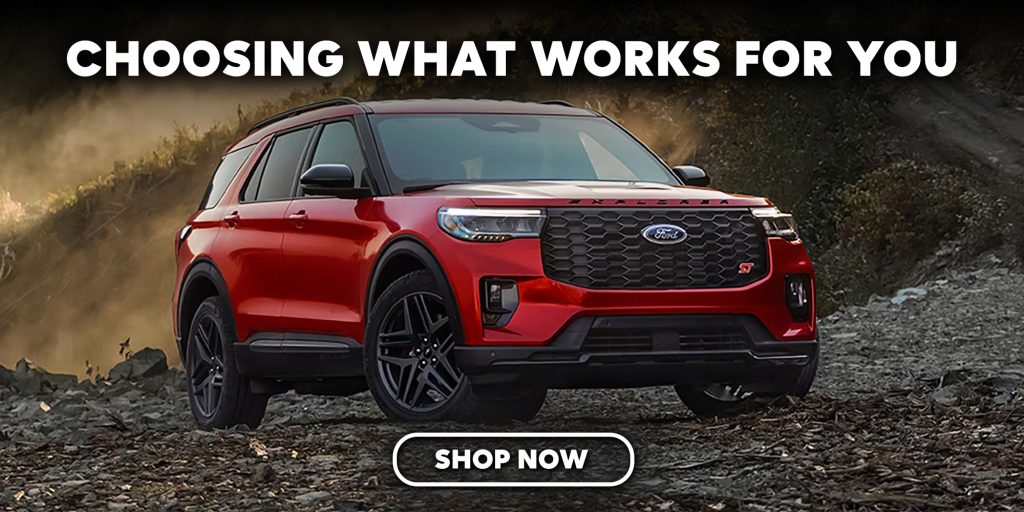
Choosing a Ford Explorer often involves considering which drivetrain matches how you drive every week, not how you imagine driving once a year. Ford makes this decision more nuanced because the Ford Explorer is built on a rear-wheel-drive platform, and can be paired with Intelligent 4WD on higher trims.
For anyone searching for guidance on the Ford Explorer’s drive modes and drivetrains, Crossroads Ford of Indian Trail has put together a comprehensive guide to the RWD and Intelligent 4WD systems. If you use your Ford Explorer for a daily commute, family road trips, towing, winter driving, or gravel-road weekends, the right setup changes how much confidence you feel behind the wheel. This comparison keeps the focus on traction, stability, ownership tradeoffs, and real lifestyle fit, with clear winner callouts in every category.
Why Drivetrain Choice Matters
Many drivers mix up selectable drive modes with the drivetrain itself, but Ford treats them as separate layers of capability. The drivetrain decides where power delivery goes across the front axle and rear axle, while the Terrain Management System™ changes throttle response, transmission shift logic, traction control, and Electronic Stability Control to suit conditions.
That matters because the Ford Explorer is RWD-based and does not use an All-Wheel Drive system. It instead pairs its layout with available Intelligent 4WD depending on trim availability and equipment. If your life includes school runs, interstate travel, towing, bad-weather driving, or occasional off-pavement capability, the drivetrain affects confidence more than the label on the drive mode dial.
How Terrain Management System™ Works
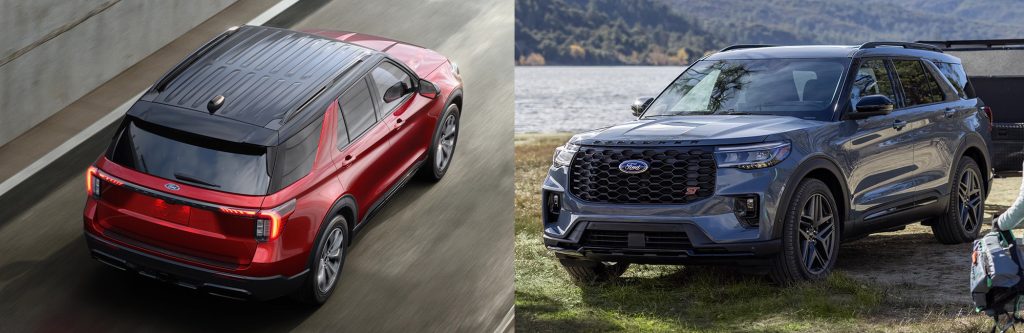
Before reading about the Ford Explorer drive modes for RWD vs. Intelligent 4WD, it’s important to grasp the concept of what they’re usually functioning with on your commutes. The Terrain Management System™ coordinates inputs from wheel speed sensors, steering angle, throttle input, and road conditions to adjust how the SUV behaves. In practice, that means sharper or softer throttle response, different transmission shift logic, and more targeted intervention from traction control when wheel slip begins.
Not every Ford Explorer gets the same list of modes, because mode availability depends on drivetrain and trim. Ford also resets the system to Normal Mode after a restart, which is a practical ownership detail because it prevents you from accidentally beginning the next trip in a specialized setting.
Selectable Drive Modes You May See
You may see Normal Mode for everyday driving, Eco Mode for smoother efficiency-focused calibration, Sport Mode for quicker responses, and Tow/Haul Mode for heavier loads. On select Ford Explorer models, Slippery Mode, Trail Mode, and Off-Road Mode work with Intelligent 4WD hardware to manage traction more effectively on low-grip surfaces.
Now that you have a general understanding of the drive modes available on a Ford Explorer, it’s time to delve into the RWD and Intelligent 4WD systems.
RWD vs. Intelligent 4WD: Quick Comparison
On dry pavement, RWD usually delivers the cleanest on-road dynamics because the rear axle handles propulsion and the front axle stays focused on steering. Intelligent 4WD goes further by proactively shifting torque for rougher surfaces, deeper snow, and more variable traction.
For most people, the choice should reflect climate, route quality, cargo load, and weekend habits more than marketing labels. A family in Indian Trail, NC, and surrounding areas may prefer Intelligent 4WD for year-round flexibility, including time on gravel roads and winter routes. Read more to learn more about the Ford Explorer’s RWD vs. Intelligent 4WD in order to see how they’ll affect your commutes.

Rear-Wheel Drive in the Ford Explorer
Rear-Wheel Drive sends engine power primarily to the rear wheels, which gives the Ford Explorer a balanced, traditional SUV feel. Because the rear axle handles acceleration, RWD often delivers better handling balance and confidence in corners on dry pavement than many front-wheel-drive-based crossovers. RWD also tends to be the value choice because it avoids the added hardware of powering the front axle. That can help purchase price and preserve a lighter feel, but the tradeoff shows up quickly on wet grass, loose gravel, snow, ice, or steep, slick grades where wheelspin is easier to trigger.
Who RWD Fits Best
RWD fits you best if your daily commute is paved, your climate is mild, and your driving is dominated by highway miles, errands, and occasional towing. It also suits drivers who want a straightforward Ford Explorer Active or similar trim without paying for capability they may rarely use. Keep in mind that traction aids can reduce wheel slip, but they cannot create tire grip where little exists. Good all-season tires help, and winter tires help more, yet two-wheel power delivery still limits traction compared with Four-Wheel Drive systems.
Intelligent 4WD in the Ford Explorer
While the Ford Explorer doesn’t use a traditional AWD label, it instead features an available Intelligent 4WD system that functions similarly by automatically distributing power between the front and rear wheels. Intelligent 4WD is Ford’s more advanced traction system for the Ford Explorer, designed to monitor changing conditions and redistribute torque in real time. By reading wheel speed, steering angle, throttle input, and surface changes, it can react more proactively than a simpler all-season setup.
That makes the Ford Explorer Intelligent 4WD the strongest fit for deeper snow, gravel roads, sand, mud, and repeated off-pavement travel. On models such as the Ford Explorer Tremor®, this system pairs better with adventure-oriented hardware, and that combination matters more than the badge alone.
What Makes Intelligent 4WD Different
The difference is proactive calibration and wider terrain adaptability, not a magic transformation into a rock crawler. Modes like Off-Road Mode and Trail Mode on select Ford Explorer models help the system manage torque vectoring and wheel slip more effectively across changing surfaces. Intelligent 4WD usually costs more and can reduce efficiency compared with RWD.
Common Buyer Misconceptions and Ownership Considerations
The biggest myth is that the Ford Explorer Intelligent 4WD makes winter tires unnecessary. Winter tires still matter for stopping, turning, and controlling braking distance, because traction for acceleration is only one part of winter driving.
Another misconception is that power to all four wheels means unlimited capability. Ice, steep grades, deep mud, and soft sand can overwhelm any system, and long-term ownership also requires attention to tire matching, maintenance, and trim availability across the Ford Explorer lineup.
Which Ford Explorer Setup Should You Choose?
Now that you have a better understanding of the Ford Explorer RWD vs. Intelligent 4WD, it’s time to choose the best one for your needs. Choose RWD if your driving is centered on dry pavement, lower ownership cost, and a more traditional rear-wheel-drive feel. Or choose Intelligent 4WD if you want the most balanced answer for commuting, family travel, rough roads, changing weather, or regular adventure use.
The smartest move is to test-drive multiple Ford Explorer configurations on the same route so you can feel the differences in steering, stability, and low-grip confidence for yourself. If you want help comparing trim availability, drivetrains, and features on the Ford Explorer, Crossroads Ford of Indian Trail offers a friendly place to help you get started. Visit us for a test-drive today!
FAQs
What is the difference between AWD and Intelligent 4WD in the Ford Explorer?
AWD is tuned for automatic all-season traction on normal roads. Intelligent 4WD is a more advanced system that proactively manages torque for tougher weather and more variable terrain. AWD is not available on Ford Explorer models.
Is rear-wheel drive good enough for a Ford Explorer?
Yes, if you spend most of your time on paved roads in mild conditions. RWD is efficient and capable, but it offers less traction than available Intelligent 4WD on snow, ice, and loose surfaces.
Which Ford Explorer drivetrain is best for snow?
Models equipped with Intelligent 4WD are better suited for winter driving, as the system can automatically adjust power between the front and rear wheels to improve traction in changing conditions.
Do Ford Explorer drive modes change the drivetrain?
No. Drive modes adjust settings like throttle response, shift behavior, and traction control so the existing drivetrain performs better in specific conditions.
Should I choose RWD or Intelligent 4WD for towing and family travel?
RWD works well for highway driving and towing in stable weather. Intelligent 4WD adds confidence when driving in rain, snow, gravel, or on less predictable roads, making it a strong choice for families who travel in varied conditions.

What Is The Best Year to Buy A Ford Explorer? Navigating Your Purchase
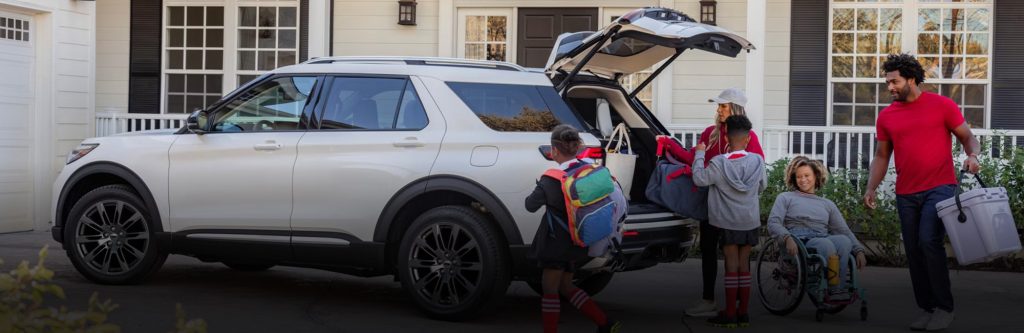
The Ford Explorer is a trusted companion for families on the go and remains one of the best Ford SUV options. This versatile SUV offers spacious comfort, advanced technology, and rugged capability for every adventure, delivering impressive value across a wide range of Ford Explorer models. However, deciding on a Ford Explorer can be tricky when you’re searching for the best year for Ford Explorer ownership. At Crossroads Ford of Indian Trail, we’ll help you navigate what the best year might be for your needs, highlight the most reliable Ford Explorer years, and outline potential pitfalls to avoid. Read more to discover your options.
Knowing Your Ride
Before determining the best year for the Ford Explorer, here’s a brief history of its early roots. The Ford Explorer made its debut in 1991 to replace the Bronco II, drawing inspiration from the Ford Ranger pickup truck. Built on a chassis derived from the Ford Ranger, this early SUV shared DNA with the midsize pickup truck before undergoing extensive design refinements. The Ford Explorer balanced off-road grit with everyday practicality. Over time, improvements in wheelbase, build quality, and suspension engineering enhanced ride comfort and durability. Today’s sixth-generation Ford Explorer—introduced with a rear-wheel drive-based platform and available intelligent four-wheel-drive system—represents a significant leap forward from earlier models.
The current Ford Explorer offers impressive customization options and a wide selection of trim levels. Under the hood, the standard engine is a 2.3L EcoBoost® I-4 that delivers strong fuel efficiency and smooth performance. Drivers seeking more power can choose available engine options, including a dynamic V6 engine that provides exhilarating acceleration and robust towing capability. Inside, the cabin is refined and spacious, featuring flexible third-row seating and generous cargo space behind the rear seats. A modern dashboard layout anchors a responsive infotainment system powered by advanced digital interfaces. With enhanced driver-assistance systems, strong safety ratings, and thoughtfully integrated modern features, the Ford Explorer competes confidently with other leading SUVs while offering greater space and performance.
What to Look For When Buying a Ford Explorer
Here’s a comprehensive breakdown of what to consider when searching for the best year for Ford Explorer ownership.
Vehicle History Report: Obtain a detailed vehicle history report to identify prior accidents, ownership changes, and reported common issues. Cross-reference findings with sources like the National Highway Traffic Safety Administration and consumer reporting sites to ensure the accuracy of the information.
Test Drive: Pay close attention to handling, braking, and acceleration to evaluate the overall driving experience. Listen for unusual noises and watch for hesitation that could signal underlying transmission problems. Test both the rear-wheel dynamics and available 4WD configurations to confirm stability.
Mechanic Inspection: Have a qualified technician inspect the engine, suspension, underbody components, and electronic systems. This helps identify potential repair costs and long-term ownership costs, especially in older models.
Interior and Exterior: Examine upholstery, seat belts, trim alignment, and the functionality of the infotainment system. Inspect exterior panels for uneven paint, rust, or signs of poor build quality.
By diligently inspecting this SUV, you improve your chances of selecting one of the more dependable Ford Explorer models with a stronger long-term reliability score.
Should You Buy a Ford Explorer?
Is a Ford Explorer the right SUV option for you? It depends on your priorities.
Budget: A pre-owned Ford Explorer typically offers excellent value compared to a new vehicle or other used models. While a brand-new model provides the latest advanced technology, upgraded materials, and expanded standard features, a Ford Explorer may deliver lower upfront pricing. However, be mindful of repair costs, especially in older model years.
Driving Needs: Consider whether you prioritize on-road comfort, off-road ability, or strong towing capacity. Many Ford Explorer trims are engineered for confident trail performance, while higher trims enhance interior refinement and modern features.
Features: Identify must-have amenities such as a panoramic roof, upgraded sound system, flexible third-row seating, or improved towing capability. Availability varies by trim level and model year.
For buyers seeking peace of mind, Ford Blue Advantage offers Ford Explorer vehicles with added warranty coverage and rigorous inspections—bridging the gap between used affordability and the reassurance of a newer model.
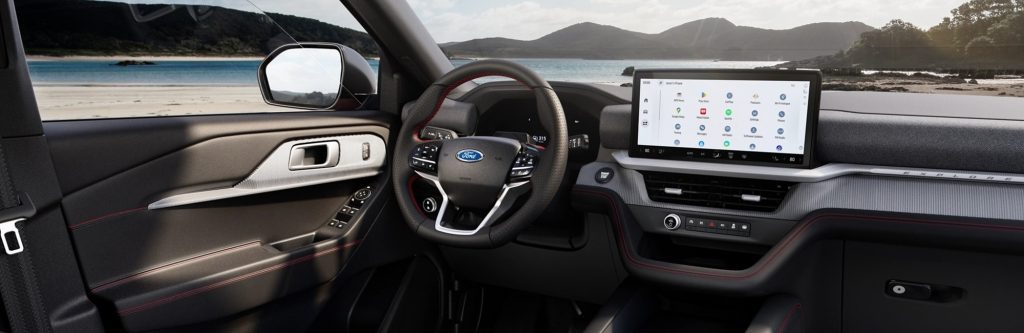
Best Years For a Ford Explorer
Here’s a breakdown of standout years and the ones to approach cautiously when researching the most reliable Ford Explorer years.
Recommended Years
2024: The 2024 Ford Explorer demonstrated measurable refinement and improved dependability. With strong engine options, confident handling, and impressive towing capacity, it delivered a balanced performance profile. Generous cargo space, smooth ride quality, and better overall finish make it a compelling best year for the Ford Explorer candidate among later years.
2025: Praised for its comfortable cabin, upgraded infotainment system, and enhanced seating materials, the 2025 Ford Explorer offered a polished driving experience. Its available V6 engine and efficient standard engine blend powerful engine performance with respectable fuel efficiency, making it one of the best years for Ford Explorer models to date.
Reimagine Your Next Ride
Choosing the best year for Ford Explorer ownership comes down to balancing performance, reliability, and long-term value. By reviewing a detailed vehicle history report, verifying safety ratings, researching common problems, and comparing engine options, you can confidently select the right fit for your lifestyle. The 2024-2025 models, in particular, represent some of the strongest contenders among recent Ford Explorer releases. Whether you’re prioritizing cargo space, advanced driver-assistance features, or exceptional towing capacity, the best year for Ford Explorer is ready to elevate your everyday drive.
Explore your options at Crossroads Ford of Indian Trail and discover why this enduring SUV continues to be one of the best Ford vehicles for families seeking confidence, comfort, and capability.
Ford Explorer Cost: The Pricing & Ownership Expenses
The Ford Explorer is a midsize SUV that offers versatility and performance for various driving conditions. Before purchasing a new Ford Explorer, it’s important to understand the total cost of ownership. This includes the purchase price, insurance, depreciation, and maintenance costs. Crossroads Ford of Indian Trail provides a comprehensive guide to help you make an informed decision.
Initial Purchase Price & Incentives
If you’re wondering how much the Ford Explorer costs to own, it has a starting price range of around $39,000-$55,000. The final price point depends on the trim level, options, and model year. Dealerships often offer incentives and discounts to lower the purchase price. When negotiating, consider the invoice price, current market value, and available rebates. Additionally, the initial purchase price can significantly impact the Ford Explorer’s resale value over time, affecting how much it retains after ownership for a number of years.
Numerous Features to Enjoy: The Specs
The Ford Explorer offers a 13.2-in. touchscreen infotainment system with wireless Apple CarPlay® and Android Auto™, a redesigned dashboard, and a standard third-row seat. Engine options range from a 2.3L turbocharged 4-cylinder to a 3.0L twin-turbo V6. The 2.3L engine delivers 300 horsepower and 310 lb.-ft. of torque, while the 3.0L engine delivers 385 horsepower and 400 lb.-ft. of torque. Both engines are paired with a 10-speed automatic transmission and are available in rear-wheel-drive or four-wheel-drive configurations. Your next SUV can also be styled with eye-catching aluminum wheels, up to 8.7 in. of available ground clearance, a vinyl-wrapped steering wheel, and a wheelbase of 119.1 in. Features like these affect the Ford Explorer cost of ownership.
The 2026 Ford Explorer’s fuel economy lets you cover more distance at an EPA-estimated 20 MPG in the city and 29 MPG for highway driving. However, keep in mind that the specific gas mileage of your next ride will depend on more factors, including driving conditions and your driving habits. If you practice safe and mindful driving, your fuel efficiency can last longer than aggressive handling. Fuel costs are another crucial expense to consider.
The Ford Explorer can achieve a maximum towing capacity of up to 5,000 lbs., letting you optimize your SUV’s versatility. This is perfect for towing small to medium-sized trailers. However, towing heavy loads can lead to increased wear and tear, affecting the Ford Explorer cost of ownership from depreciation to maintenance costs.
Ford Co-Pilot360® offers various advanced safety features, including a Blind-Spot Monitoring system, Lane Departure Warning, a Forward Collision Warning, and Pre-Collision Assist with Automatic Emergency Braking, which increases brake assist sensitivity if a potential collision is detected.

Choosing the Right Ford Explorer for Your Needs
Selecting the perfect ride for your needs involves several key considerations. Here are some tips to help you make an informed decision, while keeping the Ford Explorer cost of ownership in mind.
Determine Your Budget: Start by considering your purchase price, monthly payment, and interest rates. Knowing these will give you insight into how much you can afford to spend on a Ford Explorer.
Assess Your Needs: Think about how you plan to use your Ford Explorer. If it’s primarily for daily commuting, a base model might suffice for your driving experience. However, if you need a vehicle for off-road adventures or towing, you might want to opt for a higher trim level with more advanced tech features to optimize your driving experience.
Research Different Model Years: Compare depreciation rates, maintenance costs, and resale values for different model years. This will help you find the best value for your money.
Test-Drive Different Trims: Take various trim levels for a test drive to see which one best suits your needs and preferences.
Consider Certified Pre-Owned Options: If you’re looking for a used Ford Explorer, consider certified pre-owned options. These vehicles have been thoroughly inspected across numerous categories by professionals, offering added peace of mind.
By taking these factors into account, the Ford Explorer cost of ownership will fit your needs and budget, ensuring you get the best value for your money.
Five Years of Ownership: The Costs Involved
The estimated Ford Explorer’s five-year cost of ownership is between $52,000-63,000. This includes depreciation, taxes, fees, financing options, and insurance. Comparing the Ford Explorer’s costs with other cars over five years, as well as with other SUVs and midsize SUVs, can provide a broader market context. Using an online calculator and comparing costs with similar vehicles can help you make a more informed decision.
The Cost of Insurance & Maintenance
The Ford Explorer insurance costs are estimated at around $2,500-12,400 over five years. The cost varies based on trim level, options, and driving history. Shop around for the best rates and consider bundling policies. If you’d like to stick to branded coverage, Ford offers Ford Insure for all your needs, streamlining the Ford Explorer cost of ownership.
How much does maintenance cost for the Ford Explorer after five years of ownership? This can range from $3,200 to $6,000, but repair costs can fluctuate depending on the vehicle’s age, mileage, and specific issues. If you consider extended warranties and commit to a maintenance schedule, they’ll help protect you from unexpected or major repairs, such as the cost of the Ford Explorer’s brakes and rotors. Additionally, researching the reliability and durability of the Ford Explorer can help you anticipate potential long-term costs.
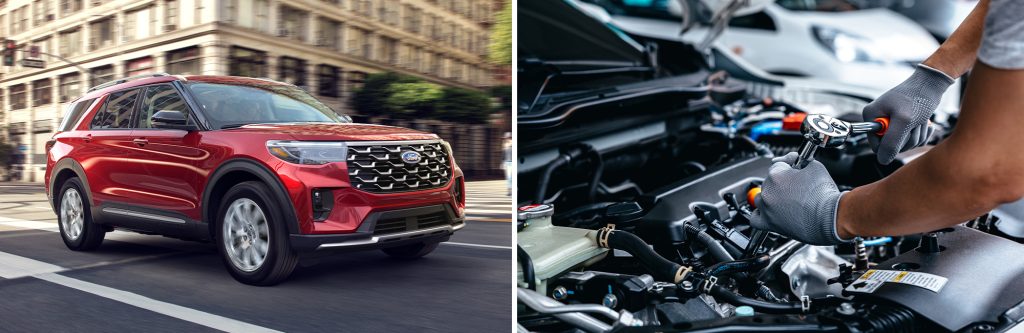
Extra Protection: Warranty & Extended Warranty
If you’re searching for a warranty of any kind, Ford offers a 3-year/36,000-mile basic warranty and a 5-year/60,000-mile powertrain warranty. This coverage can reduce the Ford Explorer cost of ownership. If you’re concerned about future Ford Explorer maintenance costs, consider Ford Protect, an extended warranty program with packages that are tailored specifically to your needs with plans that cover theft, dents, tires, vehicle components, and so much more.
Own Your Ford Explorer Today
The Ford Explorer is a versatile midsize SUV with a range of features and options, making it a popular choice for daily commuters and travelers alike. When you’re looking to buy one, consider maintenance costs, insurance expenses, and overall value to ensure you’re making the best choice for you. By researching these, as well as the Ford Explorer’s features, trim levels, and depreciation rate, you’re guaranteed to find your perfect match at our Ford dealership in Indian Trail, NC. That being said, the overall cost of owning this SUV after five years is around $52,000-63,000. Now that you’re more familiar with the cost of owning a Ford Explorer, schedule a test drive on our website or visit Crossroads Ford of Indian Trail to get behind the wheel today!
Ford Explorer Safety Features: Your Complete Buyer’s Guide
The Ford Explorer stands out as a midsize SUV designed with a focus on advanced safety features and driver-assistance technologies. Whether you’re navigating busy parking lots or cruising down highways, the Ford Explorer offers a safety suite that ensures peace of mind in various driving situations. With its robust systems and innovative technology, the Ford Explorer is a top choice for families and individuals prioritizing safety.
From Ford Explorer safety features like Ford BLIS® (Blind Spot Information System) to Pre-Collision Assist with Automatic Emergency Braking, this SUV is packed with safety tech aimed at preventing accidents and enhancing your driving experience. This guide from Crossroads Ford of Indian Trail will walk you through the comprehensive safety systems, crash protection innovations, and driver-assistance features that make the Ford Explorer a standout in its class.
Ford Co-Pilot360® Technology in the Ford Explorer
The Ford Explorer integrates Ford Co-Pilot360®, a suite of advanced safety systems designed to enhance your driving experience. Read more to learn about the Ford Explorer safety features.
Pre-Collision Assist with Automatic Emergency Braking: This is a key feature, uses sensors to detect potential collisions with vehicles or pedestrians in the road ahead. If a collision seems imminent, the system applies the brakes to reduce impact or avoid it altogether. Complementing this is Ford’s Lane-Keeping System, which helps drivers stay centered in their lane by providing gentle steering adjustments when unintentional drifting is detected.
BLIS® with Cross-Traffic Alert: This Ford Explorer safety feature is designed to make backing out of parking spaces or maneuvering in parking lots safer. This feature alerts drivers to approaching vehicles from the side, reducing the chances of accidents in tight parking areas. Finally, the auto high-beam headlamps improve visibility by automatically switching between low beams and high beams, depending on the lighting and traffic conditions, ensuring safe driving even in poorly lit areas.
Intersection Assist: This helps detect oncoming traffic when you’re approaching a crossing or junction. Using forward-facing sensors and cameras, the system can warn you of vehicles entering the intersection ahead, helping you respond more quickly and confidently to potential hazards in complex driving environments.
Reverse Brake Assist: This helps sense and alert you to what’s behind your vehicle when you’re backing up. If it detects the risk of a collision with a pedestrian, vehicle, or shopping cart, it can automatically apply the brakes.
Clear Exit Warning: As you exit the Ford Explorer, it protects occupants from anything oncoming. If a vehicle, cyclist, or other moving object is detected approaching from behind, this Ford Explorer safety feature alerts you before you open your door—reducing the risk of collisions with passing traffic.
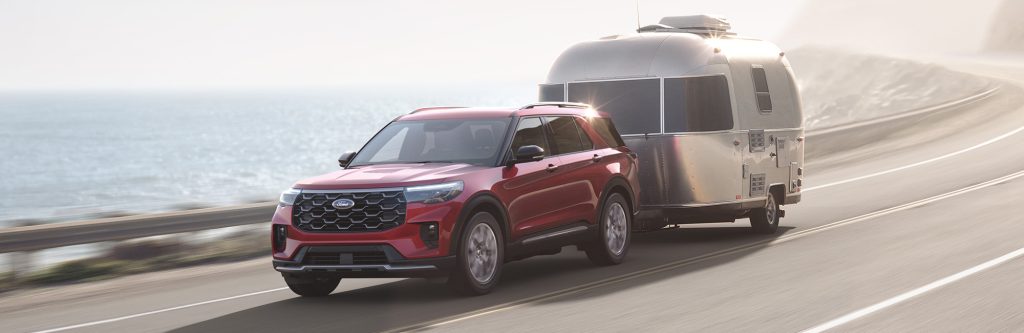
Advanced Driver-Assistance Features
The driver-assistance technologies in the Ford Explorer make it easier to navigate daily driving scenarios while ensuring safety. Active Park Assist 2.0 is an available feature that simplifies parking by autonomously steering the vehicle into tight parking spaces, requiring minimal input from the driver. Combined with the rear-view camera, this Ford Explorer safety feature provides a clear view of the surroundings, reducing the likelihood of fender benders.
For those who frequently engage in highway driving, the Ford Explorer offers advanced features aimed at optimizing both safety and convenience. Adaptive Cruise Control is one such Ford Explorer safety feature that maintains a safe distance from the vehicle ahead by automatically adjusting your speed as needed. This not only reduces driver fatigue but also ensures smooth traffic flow.
The Ford Explorer can also be equipped with Ford BlueCruise—an advanced hands-free driving technology. BlueCruise enables hands-free driving on pre-qualified sections of divided highways, called Blue Zones, while still requiring driver attention and readiness to take control at any time. It uses a combination of cameras, radar, and GPS mapping to maintain safe distances, keep the vehicle centered in its lane, and adapt to changing traffic conditions. With intuitive driver-monitoring systems ensuring engagement, BlueCruise enhances both comfort and convenience on long journeys.
Crash Safety and Structural Design
Ford Explorer safety features have been meticulously designed with passenger safety in mind, incorporating structural elements and technologies to protect occupants during accidents. The AdvanceTrac® system with Roll Stability Control plays a critical role in maintaining the vehicle’s balance during sharp turns or evasive maneuvers, reducing the risk of rollovers.
The Ford Explorer has undergone rigorous testing to meet the highest safety standards, earning recognition from leading safety organizations. The Insurance Institute for Highway Safety (IIHS) evaluates vehicles for crashworthiness and advanced safety features, and the Ford Explorer safety ratings have been assessed in areas like moderate overlap and small overlap frontal impacts. Its robust design and safety systems make it a strong contender for the coveted top safety pick designation.* Similarly, the National Highway Traffic Safety Administration (NHTSA) provides crash ratings for vehicles, and the Ford Explorer’s performance in these assessments reflects its commitment to safety, achieving all five stars.** With high scores across various tests, the Ford Explorer offers drivers and passengers peace of mind on the road.
Why the Ford Explorer Stands Out
The Ford Explorer safety features seamlessly combine advanced safety technology with a reliable and enjoyable driving experience, making it a standout choice among midsize SUVs. Its safety systems, including Ford Co-Pilot360®, Ford BlueCruise, and crash-test results, provide drivers with the confidence needed to navigate various road conditions. Whether you’re on a family trip or commuting daily, Ford Explorer safety features set a high standard for safety in its class, ensuring peace of mind and convenience at every turn.
Visit your Crossroads Ford of Indian Trail to explore the Ford Explorer and discover why it’ll be your trusty companion on all of your adventures.
*For more information, visit https://www.iihs.org.
**For more information, visit https://www.nhtsa.gov.

