


Ford Explorer Buying Guide: What To Know Before Buying

Finding The Right Ford Explorer For Life In Indian Trail, NC
Choosing a three-row SUV usually means sorting through competing priorities: family hauling, daily driving comfort, cargo flexibility, towing capability, and long-term value. For shoppers using a Ford Explorer buying guide to answer questions about whether it’s a reliable SUV, this useful comparison from Crossroads Ford of Indian Trail starts with how the vehicle fits your routine rather than how it looks on a spec sheet. Whether you are looking at a new or used Ford Explorer, this versatile SUV remains a top contender in the segment because it combines third-row seating, flexible passenger room, available towing strength, and trim levels that range from practical family SUV duty to premium and performance SUV territory. Continue reading this Ford Explorer buying guide to learn more about how this model will optimize your commutes in Indian Trail, NC, and beyond.
What Is the Ford Explorer?
This Ford Explorer buying guide gives you all of the information you need to know about your next ride. This midsize SUV with three rows of seating is designed for buyers who need more flexibility than a two-row crossover typically offers. Its core appeal is not one isolated feature, but the way passenger room, cargo space, available towing capability, and trim variety combine into a platform that can serve both family SUV needs and more individual driving preferences. That broad appeal explains why the Ford Explorer attracts shoppers of all types. Some buyers want a practical vehicle for school runs and commuting, others want a road-trip vehicle with room for luggage and people, and others want a performance SUV feel through trims such as the Ford Explorer ST, without leaving the three-row category.
The Ford Explorer also suits drivers who want a vehicle that can adapt to changing needs. A younger buyer may start by valuing interior technology, fuel economy, and daily driving comfort, while a growing household may later care more about family features, cargo flexibility, and the convenience of fold-flat seats. From a lifestyle standpoint, the Ford Explorer works best for drivers who want utility without stepping into oversized dimensions. That is a key distinction in the midsize SUV class, because many buyers want third-row seating available for carpools or visiting family, but do not need a larger body-on-frame SUV for every trip.
Its potential for travel and light adventure also expands its appeal. The Ford Explorer can suit highway miles, family hauling, and occasional rough-weather driving, especially for shoppers considering Intelligent 4WD, which means the vehicle can support more than one routine without feeling purpose-built for only one environment. For buyers still asking, “Should I buy a Ford Explorer?,” the better framing is whether you need a vehicle that can shift between passenger duty, cargo duty, and highway travel with minimal compromise. That is where our Ford Explorer buying guide can help steer you in the right direction.
Is the Ford Explorer a Safe SUV? Top Safety Features and What to Expect
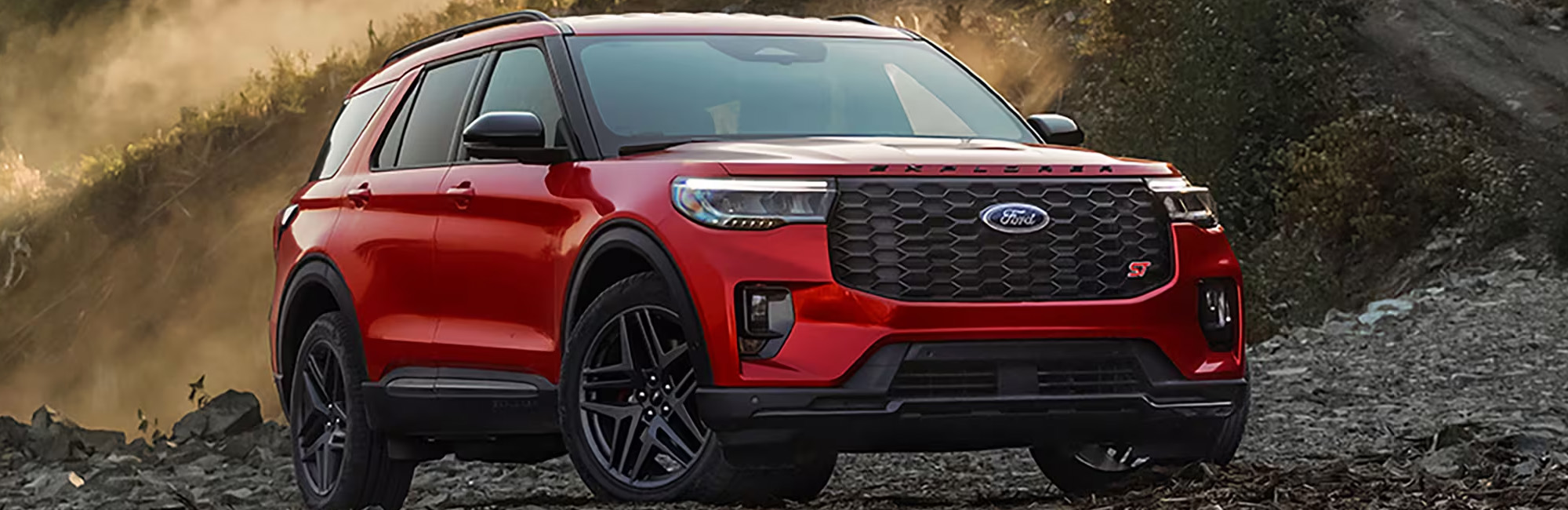
Safety is one of the main reasons buyers choose a midsize SUV, and the Ford Explorer addresses that concern with a mix of crash-protection engineering and available driver-assist features. For family buyers, teen drivers, and highway commuters, SUV safety is not only about safety ratings in isolation; it is also about how consistently the vehicle helps reduce stress in daily traffic.
Ford Co-Pilot360® is central to answering the question of how safe the Ford Explorer is, as it packages technologies that support awareness and reaction in common driving situations. Features such as Blind-Spot Monitoring, Lane-Keeping Assist, Pre-Collision Assist, and a rearview camera matter most in everyday use, where parking lots, lane changes, and stop-and-go traffic create frequent low-margin decisions. That practical side of safety often matters more than buyers expect. A feature that helps a parent monitor adjacent lanes or gives a commuter more confidence in heavy traffic can influence ownership satisfaction every day, not only during rare emergency moments.
What Is the Best Ford Explorer Model Year to Buy?
The best year for a Ford Explorer depends less on a single universal answer and more on the overlap between budget, feature expectations, and vehicle condition. A model year only creates value when it matches the buyer’s priorities, which is why the best years to buy for one shopper may not be the strongest fit for another.
Newer model years often appeal to buyers who want updated infotainment system features, newer driver-assist technology, and more current interior technology. That can make a newer Ford Explorer the better choice for households that plan to keep the vehicle for years and want the most modern convenience and safety content available within budget.
A pre-owned Ford Explorer can still offer strong vehicle value if the maintenance history is clear and the service records support how the vehicle was cared for. Reliability is never only a function of age, because mileage, ownership habits, and repair quality often shape long-term durability as much as the model year itself.
That is why a vehicle inspection matters so much in the used market. A clean inspection, documented service records, and evidence of consistent maintenance can make an older Ford Explorer a smarter buying decision than a newer example with an uncertain history.
Buyers shopping used should compare more than price. Ownership history, mileage, trim content, warranty coverage, where applicable, and the condition of wear items all affect long-term value and should influence how you judge the best year for Ford Explorer ownership.
If you are narrowing a shortlist, treat the model year as one part of a wider reliability review rather than the whole answer.
Ford Explorer Cost of Ownership: What It Costs to Own One
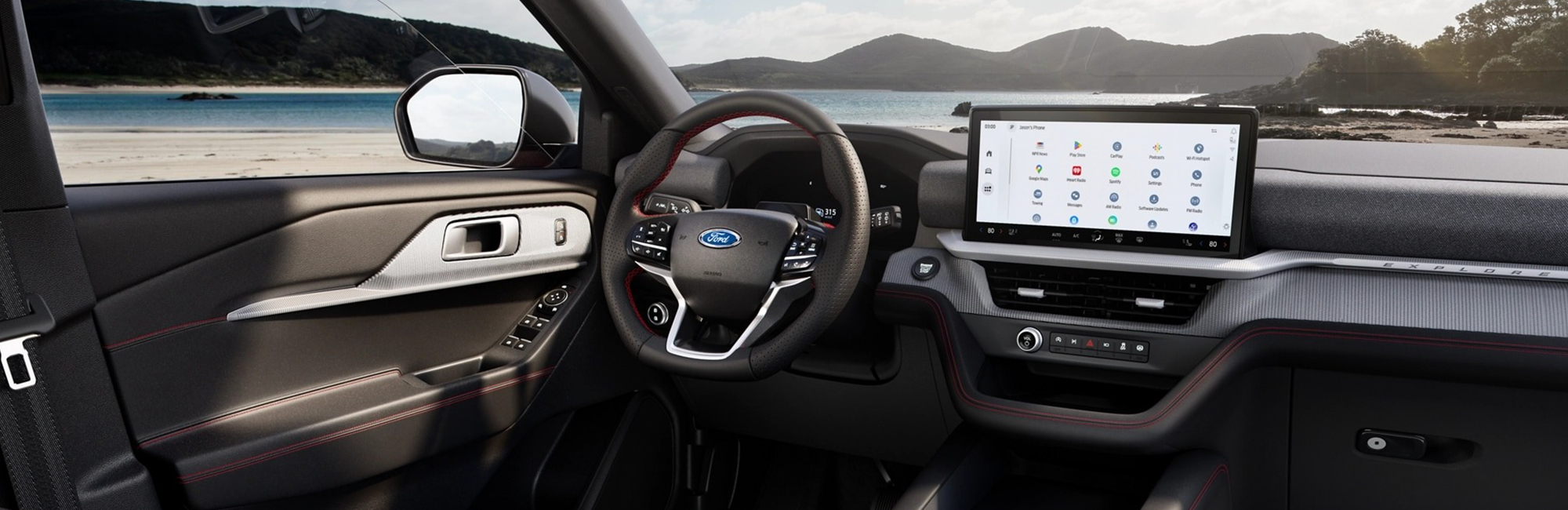
The total cost of owning a Ford Explorer includes more than just the purchase price; it includes a plethora of key factors to consider. These include financing, fuel costs, insurance, maintenance costs, repair costs, registration, and depreciation, and those categories can shift meaningfully depending on trim level and drivetrain.
The purchase price is the starting point, but it's not the full story when it comes to the Ford Explorer’s total cost of ownership. A higher trim with more premium features may improve comfort and resale appeal, but it can also raise financing costs and insurance premiums, so a feature-rich Ford Explorer should be judged against your full budget, not just monthly payment targets. Fuel costs vary with engine choice, driving style, and whether you choose RWD or Intelligent 4WD. For commuters who cover frequent highway miles, fuel economy can become one of the most visible ownership expenses over time, especially if the vehicle is used as both a family SUV and a daily commuter.
Maintenance costs and repair costs depend heavily on mileage, upkeep habits, and whether the vehicle was serviced consistently. This is where buying from a local dealership with service support matters, because ongoing maintenance planning often protects long-term value more effectively than chasing the lowest upfront price. Depreciation also deserves attention because it shapes the Ford Explorer's trade-in value later. Buyers who plan ahead for vehicle value tend to make better trim and purchase decisions, since the most expensive configuration is not always the strongest ownership play over several years.
How Much Cargo Space Does a Ford Explorer Have?
Cargo space is one of the strongest reasons buyers shop the Ford Explorer, because a three-row SUV only stays useful if the area behind the seats works in everyday life. The Ford Explorer is built for cargo flexibility, which means its usable space changes meaningfully depending on whether you are carrying a full cabin of passengers, folding the third row, or opening up the cabin behind the first row. Behind the third-row seating, the Ford Explorer still provides practical luggage space for groceries, backpacks, and smaller errand loads. That matters for family SUV buyers because many three-row models lose day-to-day usefulness when all seats are occupied, while the Ford Explorer remains functional enough for normal local driving needs.
With the third row folded, the Ford Explorer becomes much more versatile for strollers, sports gear, shopping bags, and weekend travel packing. This is often the sweet spot for owners, since many households use the third row occasionally rather than full time, and fold-flat seats let the vehicle adapt without forcing a larger SUV purchase. With both the second and third rows folded, maximum cargo capacity opens the cabin for bulkier items and longer road-trip loads. That layout is where the Ford Explorer starts to feel less like a passenger-first SUV and more like a flexible hauling vehicle for home projects, airport runs, and larger family travel demands.
For drivers in Indian Trail, NC, that adaptability fits real local routines. A vehicle that can handle weekday errands, youth sports equipment, warehouse store purchases, and weekend bags without constant seat shuffling offers more value than one that only performs well in a single seating setup. If cargo space is high on your list, the Ford Explorer deserves a closer look because its interior packaging supports both people and gear in a way many buyers need but often don't quantify early enough.
Ford Explorer Drive Modes: RWD vs. Intelligent 4WD Explained
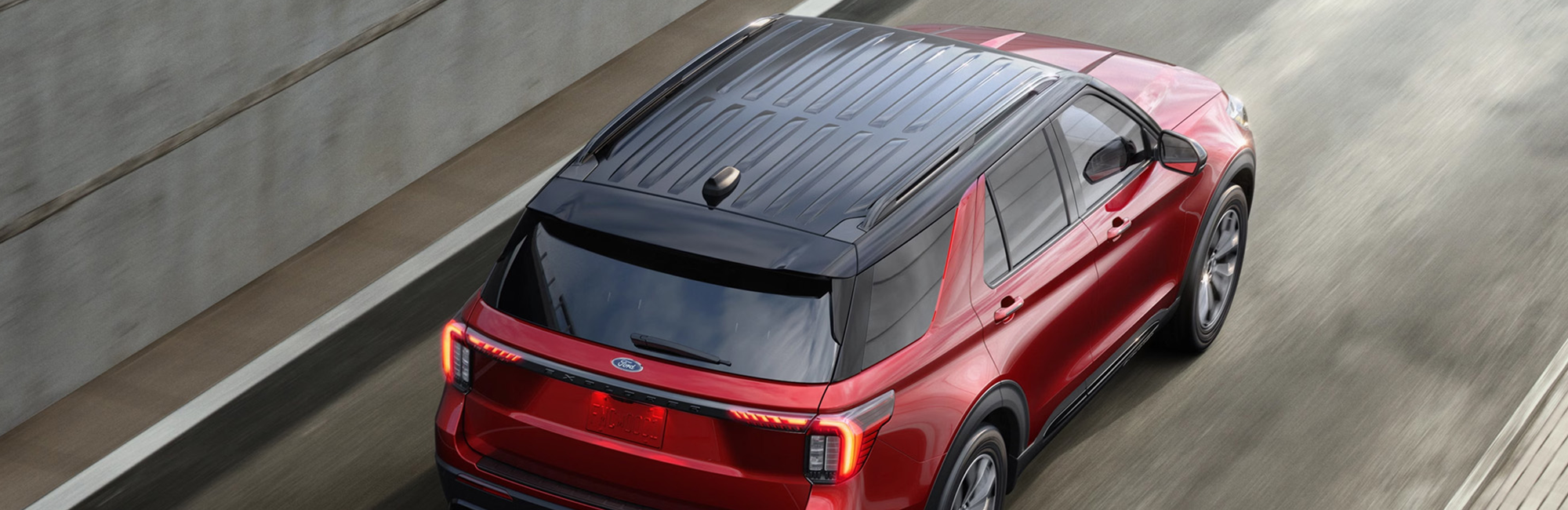
The Ford Explorer does not use AWD in the way some crossover shoppers expect; the key choices are RWD and available Intelligent 4WD. That distinction matters because drivetrain labels can confuse buyers, and a clear explanation of the Ford Explorer drive modes helps match traction needs, weather confidence, and fuel-economy expectations to how the vehicle will be used.
RWD sends power to the rear wheels and often appeals to buyers who spend most of their time on paved roads in typical conditions. For many Indian Trail, NC, drivers, that setup can make sense because it supports normal commuting, family hauling, and highway travel without adding drivetrain complexity they may not need. This is ideal if your driving is mostly local or highway-based, as the roads are usually predictable, and your priority is straightforward, everyday use.
Intelligent 4WD is designed for drivers who want more traction support when road conditions change. That added confidence can matter during rain, uneven surfaces, or occasional rough-weather travel, especially for households that take longer trips or want broader capability than a standard on-road setup provides. This is ideal if you want extra weather confidence, travel in changing conditions, or prefer broader traction support for family trips and seasonal driving.
For many buyers, the right drivetrain is the one that reduces compromise in the situations they face most often, not the one with the most aggressive label. Drive modes help refine how the Ford Explorer responds to conditions, so the drivetrain choice affects more than a single isolated spec. A vehicle that feels composed in changing weather and predictable on longer trips can improve ownership satisfaction even if those conditions are not part of every commute. Fuel economy can also factor into the decision. Buyers who prioritize efficiency may prefer the lighter, simpler logic of RWD, while those who value traction and flexibility may see Intelligent 4WD as worth the trade-off.
Ford Explorer ST-Line vs. Platinum™ vs. ST: What’s the Difference?
Trim comparison matters because the Ford Explorer changes personality significantly from one model to the next. The Ford Explorer ST-Line leans into sport styling, the Ford Explorer Platinum™ emphasizes premium interior appointments and upscale comfort, and the Ford Explorer ST is the performance SUV choice for buyers who want stronger power and a more assertive driving character.
The Ford Explorer ST-Line is often a fit for shoppers who want the look and feel of a sportier SUV without moving straight to the highest-performance setup. That makes it useful for buyers who prioritize appearance, interior technology, and daily usability but still want a family SUV that feels sharper than a base-oriented trim.
The Ford Explorer Platinum sits at the more luxurious end of the range, where premium features and material upgrades become central to the value equation. Buyers comparing long-distance comfort, premium interior details, and feature content often land here because the Ford Explorer Platinum is built around refinement rather than visual aggression alone.
The Ford Explorer ST is the trim for buyers who want their ride to feel more specialized. Its appeal is strongest for drivers who want performance to be part of the ownership experience, not an afterthought, which means it competes on emotion as much as utility.
For many shoppers, the right answer comes down to budget, feature priorities, and whether the vehicle will spend more time on family hauling or driver-focused use. Our full Ford Explorer ST-Line vs. Platinum vs. ST blog discusses each model in more detail.
Explore Your Options at Crossroads Ford of Indian Trail
The Ford Explorer remains one of the more complete answers in the three-row SUV market because it can serve family hauling, commuting, travel, and feature-focused shopping without forcing every buyer into the same configuration. That flexibility is what makes the Ford Explorer easier to recommend, since the lineup gives shoppers room to prioritize cargo space, safety, premium features, towing capability, or performance.
Crossroads Ford of Indian Trail provides you with this Ford Explorer buying guide as a practical place to compare those choices with less guesswork. If you are ready to move from research to comparison, browse our Ford Explorer inventory, review trim levels, and schedule a test drive with us today!
FAQs
Is the Ford Explorer a good car for families?
For many families, yes. The Ford Explorer offers three-row seating, flexible cargo space, family features, and available safety technology that fit school runs, errands, and longer trips.
What are the pros and cons of the Ford Explorer?
Common pros include roomy seating, cargo flexibility, multiple trim levels, and available performance-oriented options. Common cons can include higher cost on upper trims and ownership costs that vary by engine, drivetrain, and mileage.
What is the best Ford Explorer model year to buy?
The best model year depends on your budget, preferred technology, and the vehicle’s maintenance history. Newer models may offer updated features, while a well-kept used Ford Explorer can deliver strong value.
Does the Ford Explorer have good cargo space?
TheYes. The Ford Explorer is known for practical luggage space behind the third row and expanded cargo room when the rear seats are folded flat.

More Info
| Monday | 9:00AM - 7:00PM |
| Tuesday | 9:00AM - 7:00PM |
| Wednesday | 9:00AM - 7:00PM |
| Thursday | 9:00AM - 7:00PM |
| Friday | 9:00AM - 7:00PM |
| Saturday | 9:00AM - 7:00PM |
| Sunday | Closed |
| Monday | 7:30AM - 6:00PM |
| Tuesday | 7:30AM - 6:00PM |
| Wednesday | 7:30AM - 6:00PM |
| Thursday | 7:30AM - 6:00PM |
| Friday | 7:30AM - 6:00PM |
| Saturday | Closed |
| Sunday | Closed |
| Monday | 7:30AM - 6:00PM |
| Tuesday | 7:30AM - 6:00PM |
| Wednesday | 7:30AM - 6:00PM |
| Thursday | 7:30AM - 6:00PM |
| Friday | 7:30AM - 6:00PM |
| Saturday | 8:00AM - 4:00PM |
| Sunday | Closed |